Town walk in VadsøStop 3 of 6
Tuomainengården
Kven farming in Vadsø
- Year
- 1851
- Location
- Slettengata 21, Vadsø
- Season
- Summer season, and during various events
- Map
- Show on map
- Website
- See opening hours →
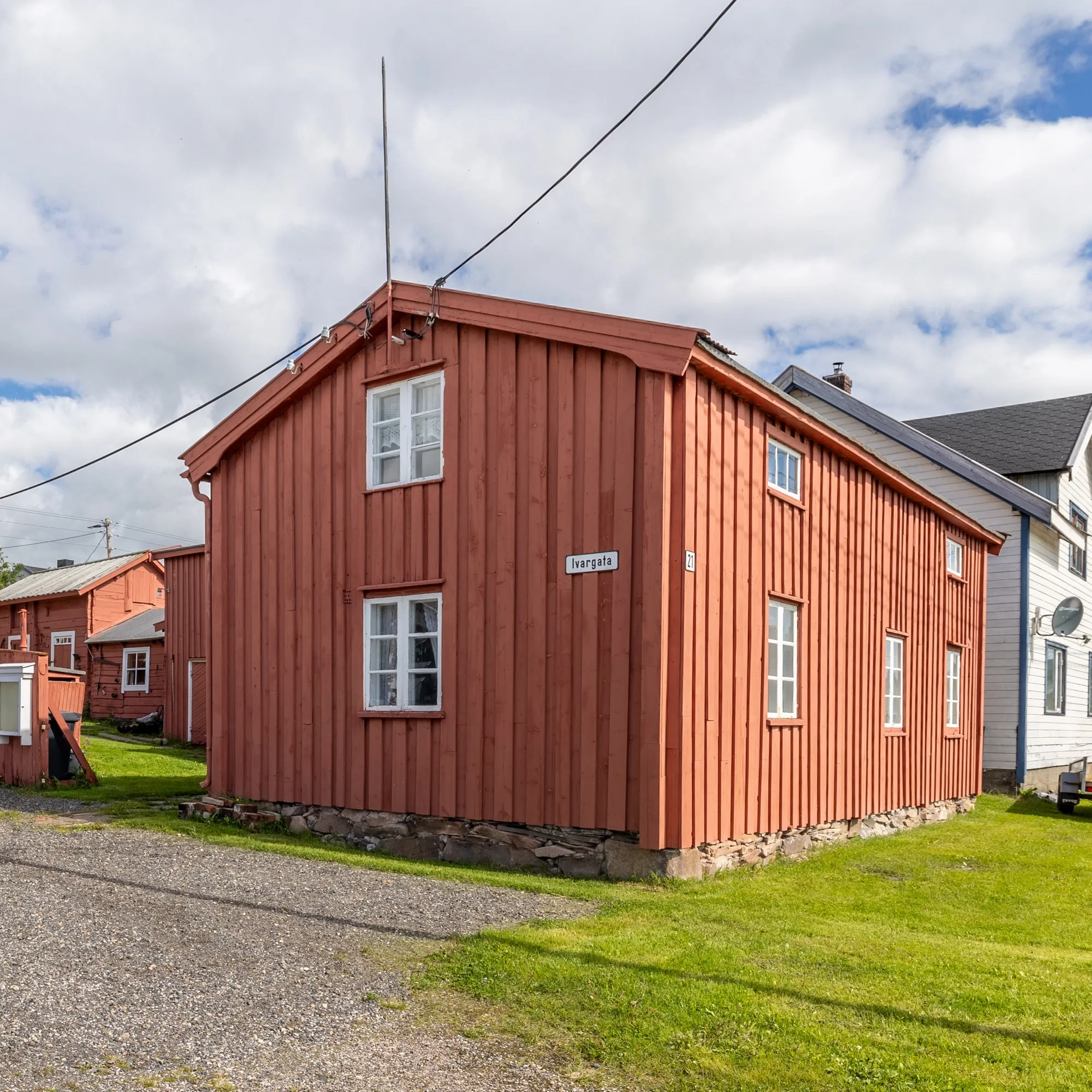
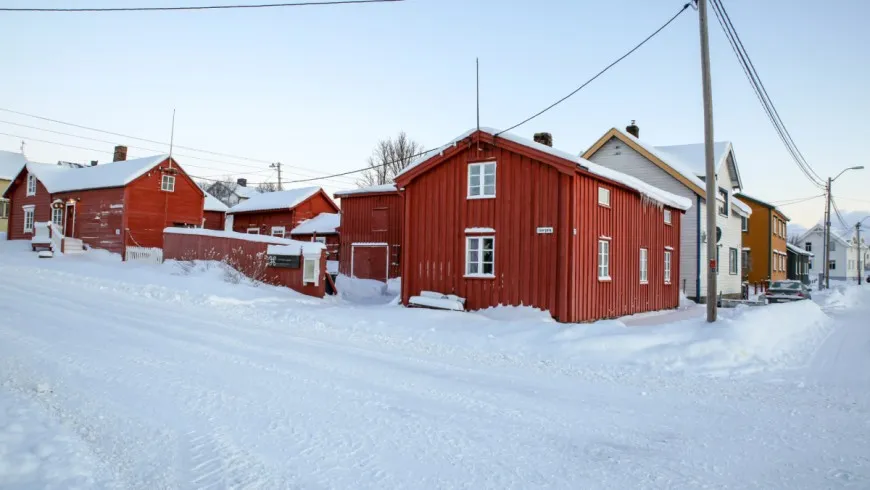
You are now at Tuomainengården. The farm was originally called Vinikkagården, after Johan Petter Vinikka, who built the house in 1851. He emigrated from the Torne Valley in Sweden in 1845 and settled in Ytre kvenby (the Outer Kven Town) — one of three areas of old Vadsø where Kvens and Norwegians lived apart, along with Indre kvenby (the Inner Kven Town) and Nordmannsbyen (the Norwegian Town).
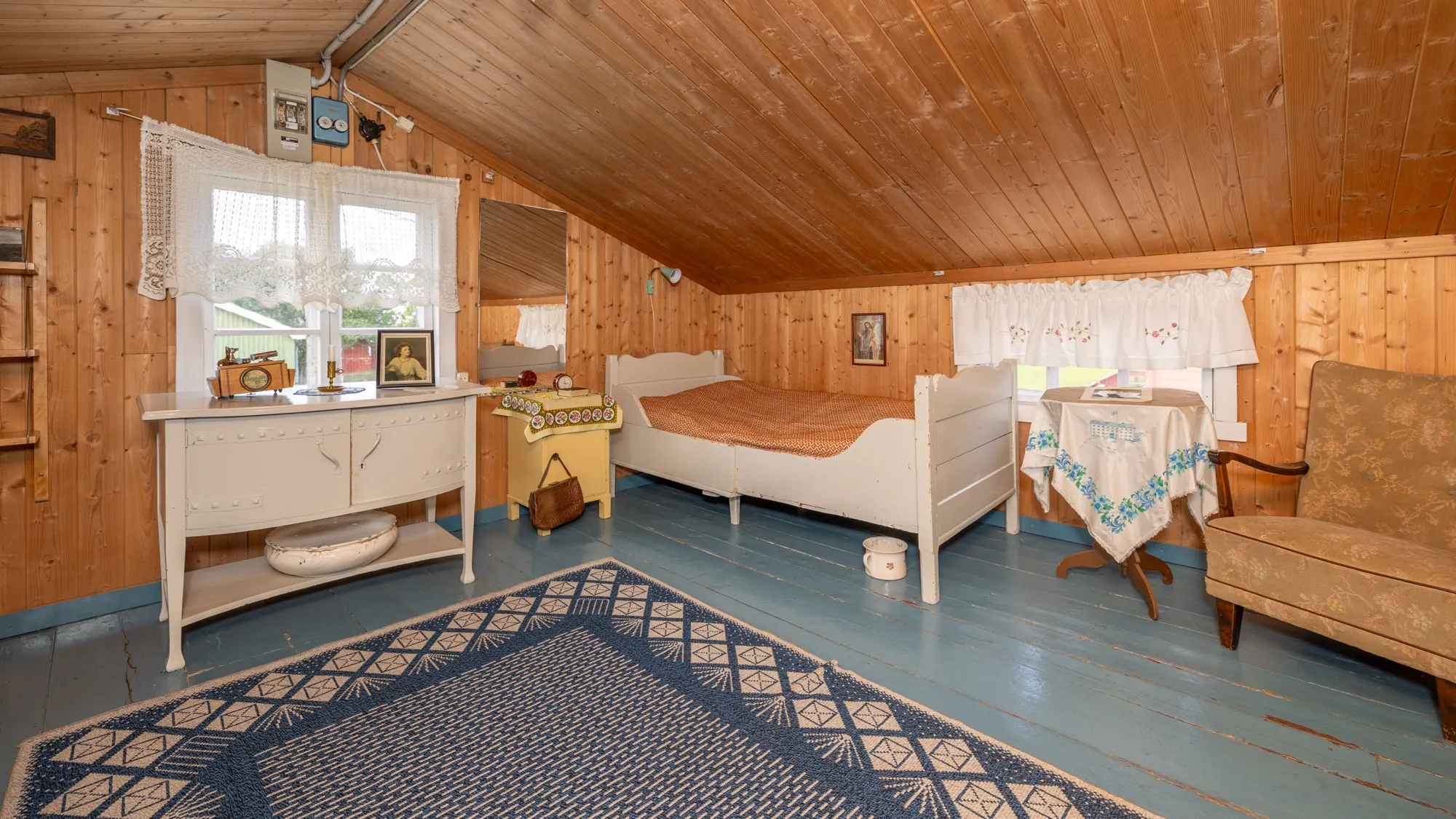
Before the turn of the century, Vinikka mortgaged the farm to the merchant H.F. Esbensen, who let out rooms there to the town’s many new immigrants. In 1918 Karoline and Karl Tuomainen bought the house. The family fished and kept a smallholding — sheep, cows, an ox and a horse — right up until the farm was left to the municipality in the 1980s.
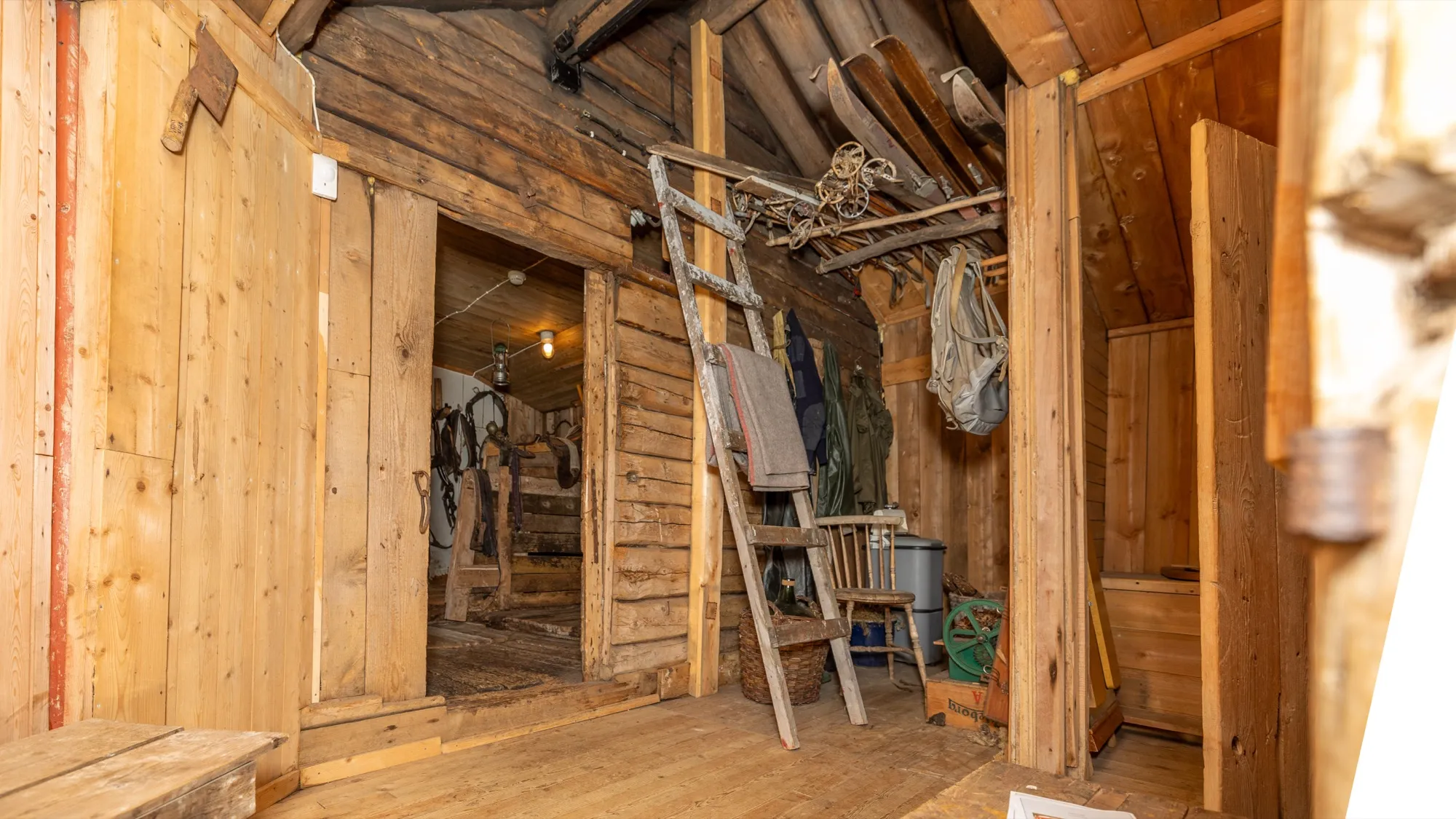
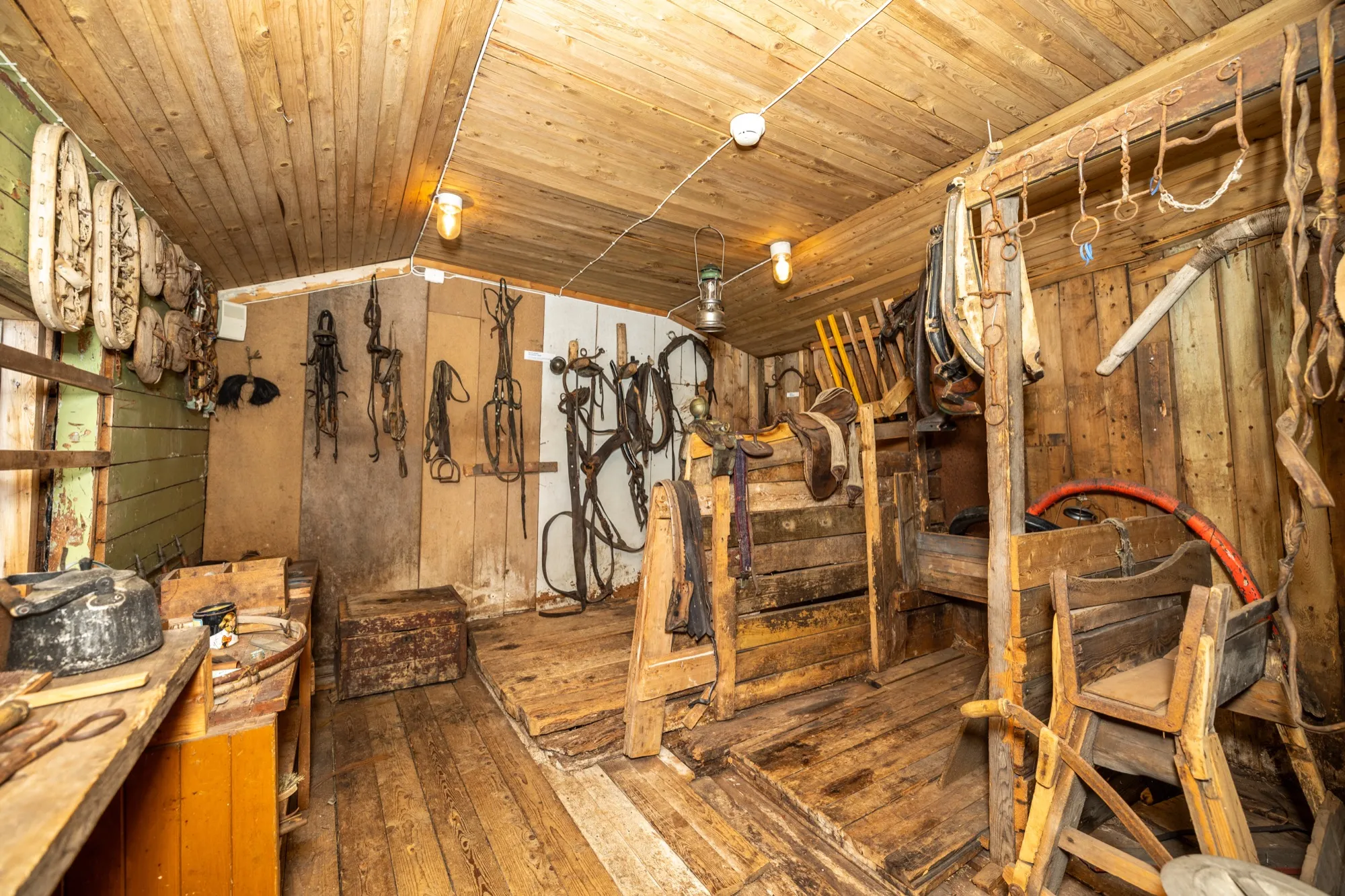
For the newly arrived Kvens, the horse had traditionally been an important working animal on the farm. It became one in Varanger too. In the stable you can still see old harness and tack, much of it made on the farm.
The house is built as a Varanger house: a type of building that joins the living quarters and the cowshed under one roof, with an inner central passage — typical of Varanger and influenced by building traditions from the White Sea and Karelia.
The farm’s sauna mattered to the whole immigrant community in Ytrebyen. Until 1932 it was one of the town’s public saunas, where neighbours met to bathe together every week.
Part of Vadsø museum
Tuomainengården is run by Vadsø museum – Ruija kvenmuseum, together with Esbensengården close by. The museum’s combined ticket for its sites in Vadsø is valid here.
Part of Vadsø museum – Ruija kvenmuseum