
Town walk in Vadsø
Town walk · Free · 3 languages
Six heritage sites that tell the story of the town — from the airship mast on Vadsøya to the Kven farm Bietilægården in Indrebyen. Put in your earphones and walk at your own pace.
- 6 stops
- 2.9 km to walk
- 1–1.5 hours in total
Audio in Norwegian, English and French. No app, no download — it plays straight in your browser.
Start at LuftskipsmastaThe route
Tap a stop to read about it — or listen, if you would rather have it read aloud.
 LuftskipsmastaLanding site for the airships Norge and ItaliaVadsøyaListen to the story of Luftskipsmasta
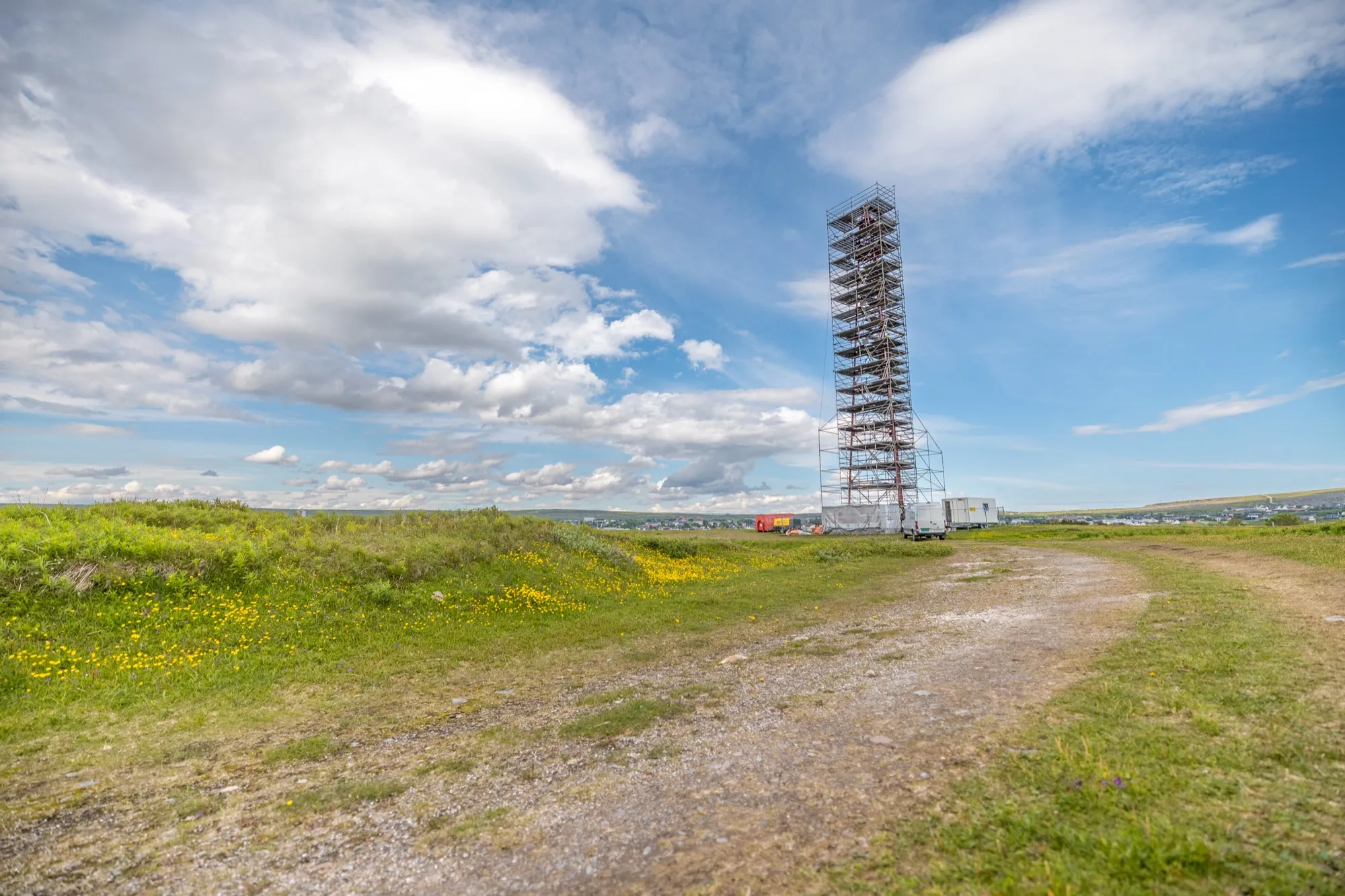
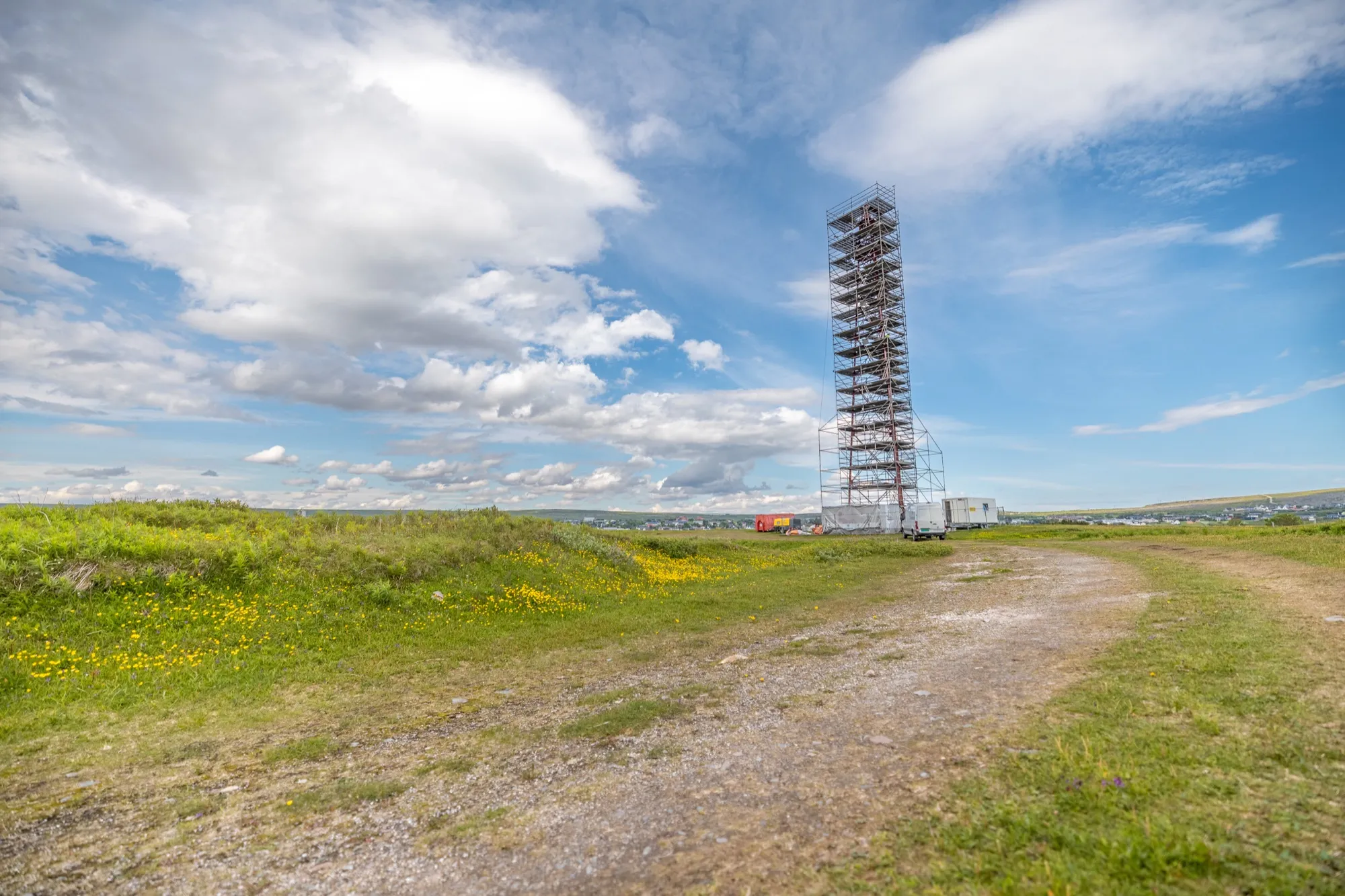
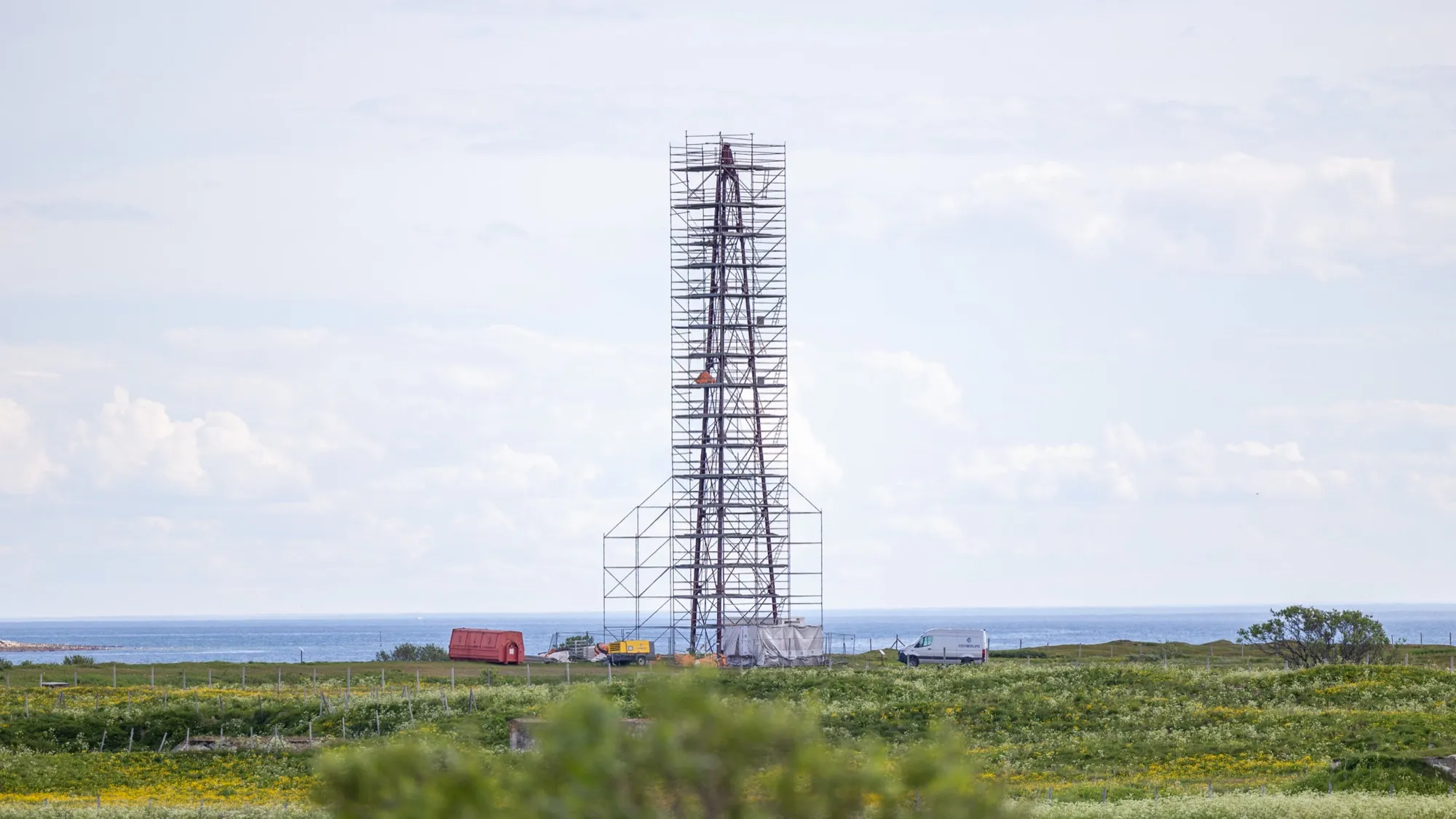
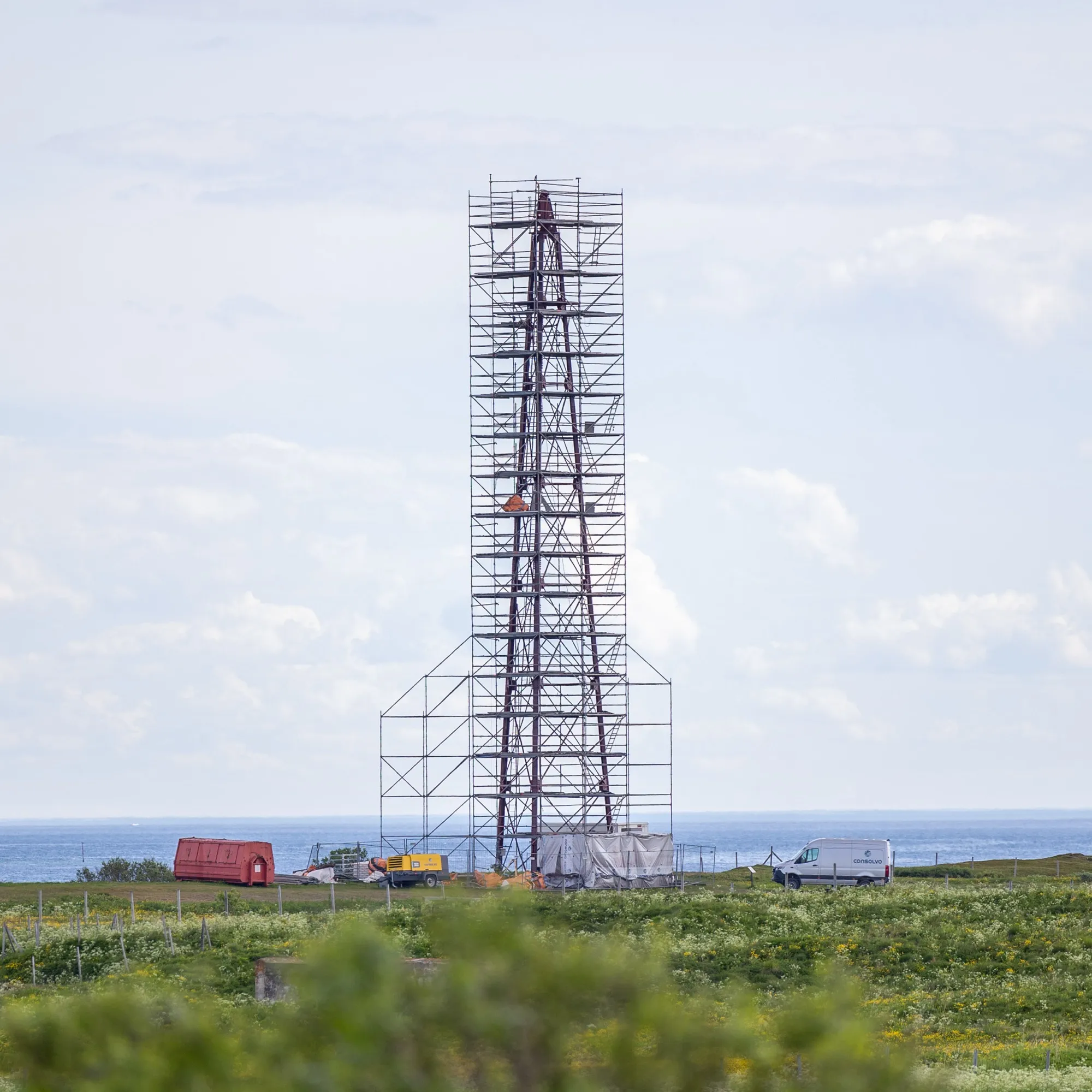
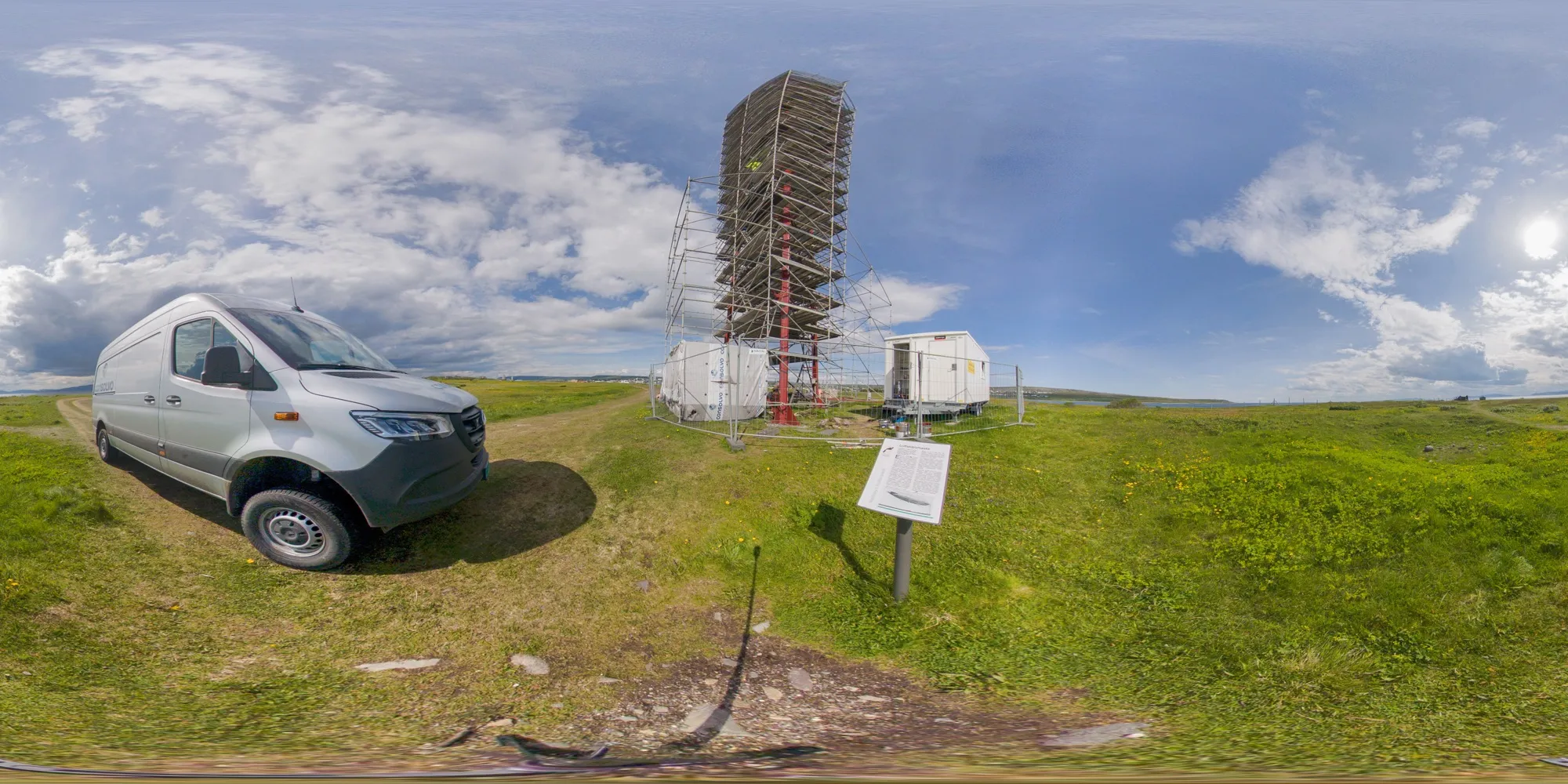
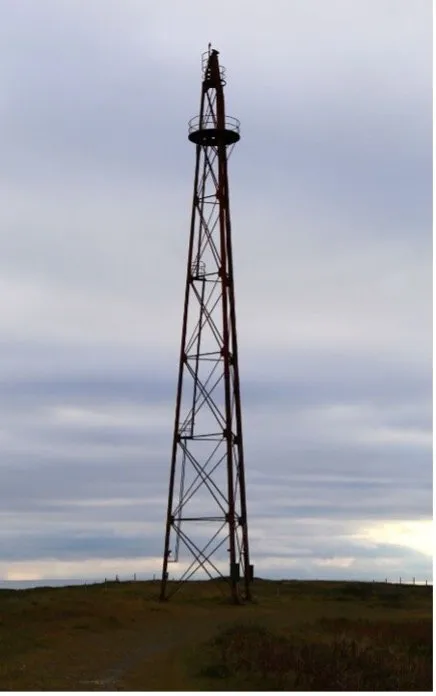
You are now on Vadsøya, the first stop on this guide. Vadsøya is home to a unique monument: Luftskipsmasta, the airship mast — Vadsø’s most spectacular and best-known heritage site, and one of its most important.
The mast was built in 1926 as a stopover mast for the airship Norge — the craft of the first expedition across the North Pole, led by Roald Amundsen with the Italian Umberto Nobile as captain. Two years later, in 1928, Nobile stopped in Vadsø again with the airship Italia, on a voyage that ended in a crash on the polar ice.
The mast was raised right here because of reliable weather observations by the merchant Hans Fredrik Esbensen — the same man who ran Esbensengården, another stop on this walk. Esbensen kept a weather log from 1880 to 1930, and his records convinced Nobile that Vadsø was a good place for a stopover.
The mast was built in Italy, shipped here in sections and put up by Italian workers who travelled with the ship, together with engineers from the Norwegian Public Roads Administration.
Vadsøya Culture Park
The mast is part of Vadsøya kulturpark (Vadsøya Culture Park), which is managed by Vadsø museum – Ruija kvenmuseum. The park is open all year round, but it is not cleared of snow in winter.
 EsbensengårdenThe trading post built up from 1848Sletten, VadsøListen to the story of Esbensengården
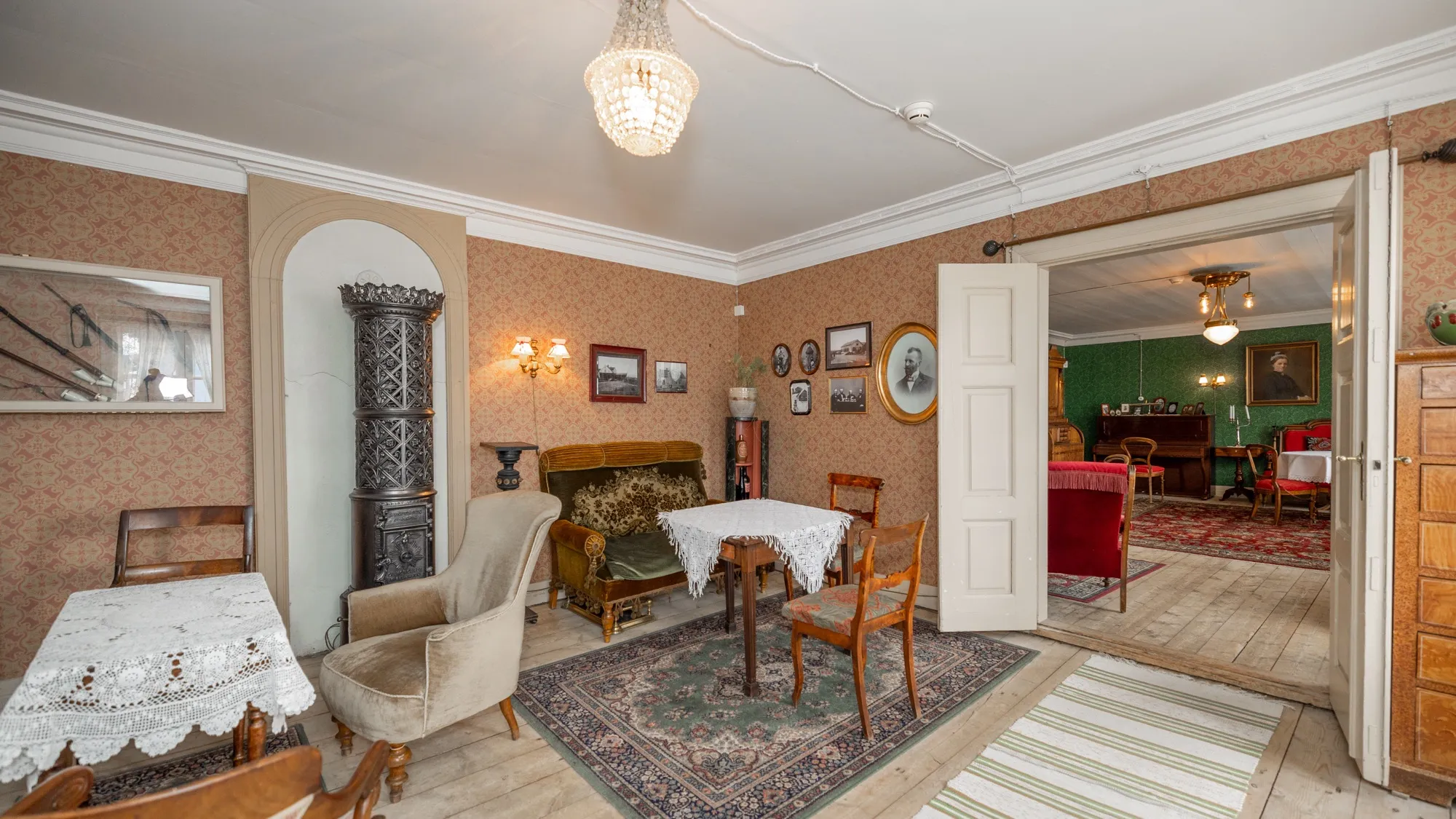
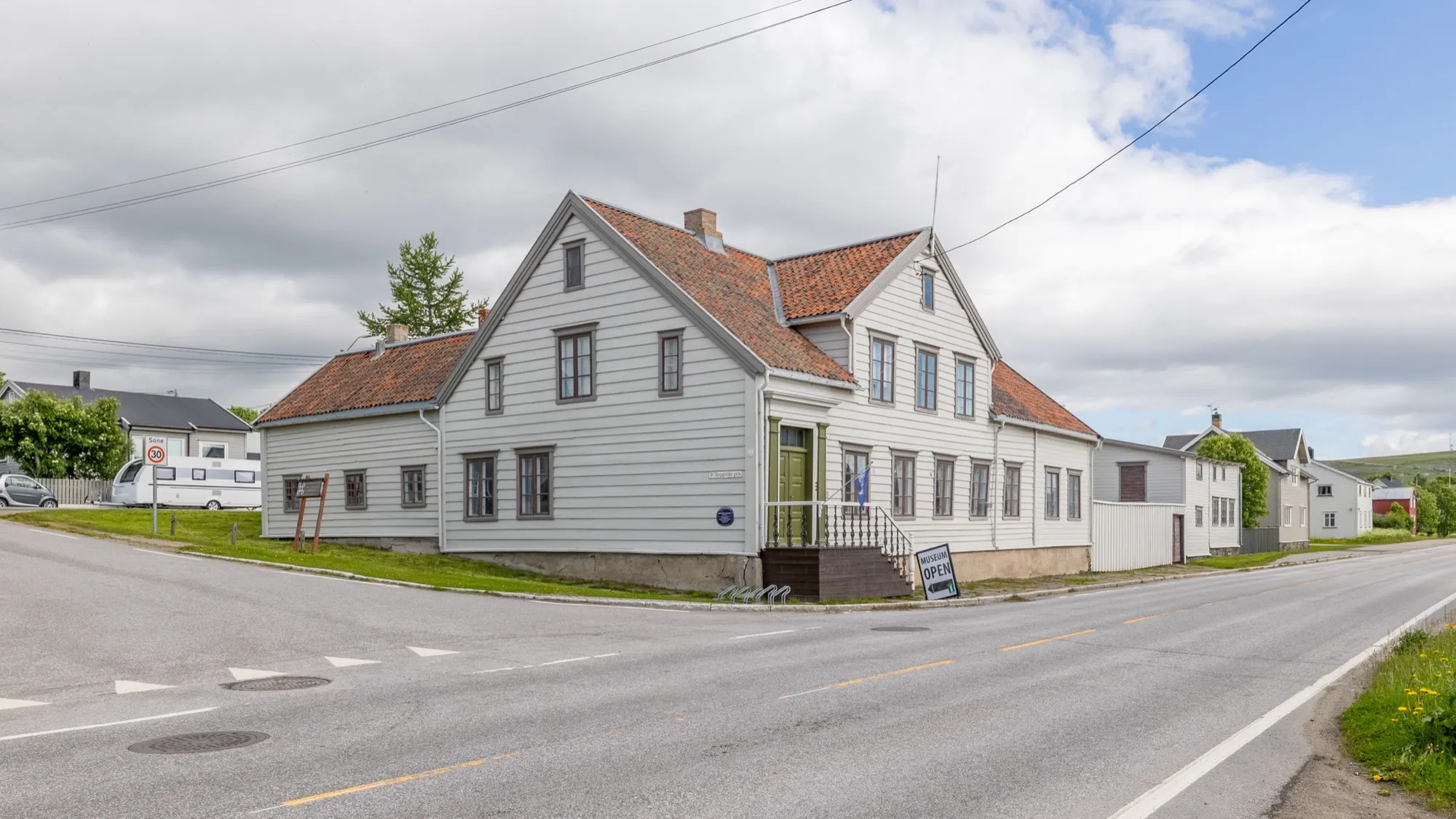
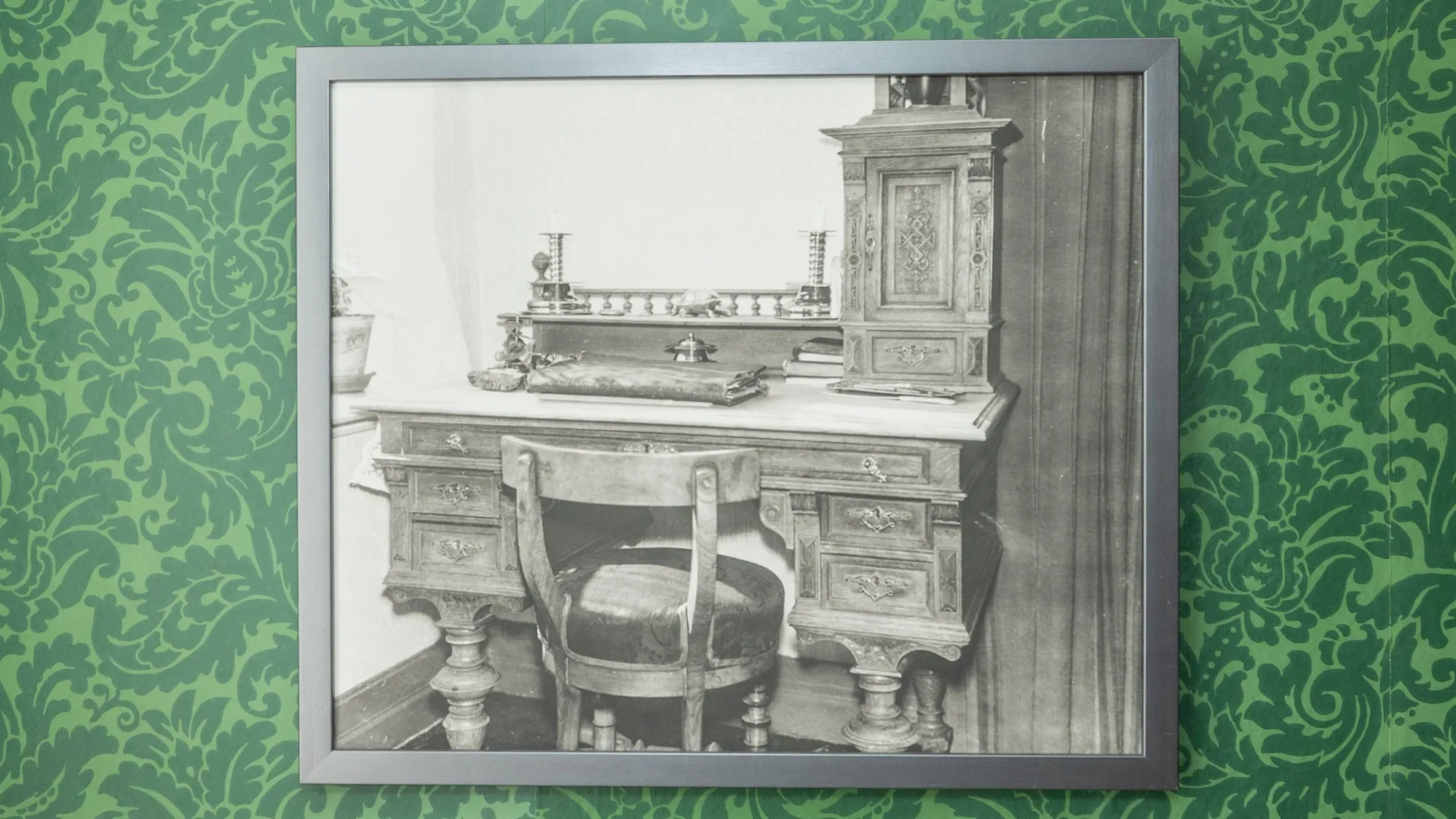
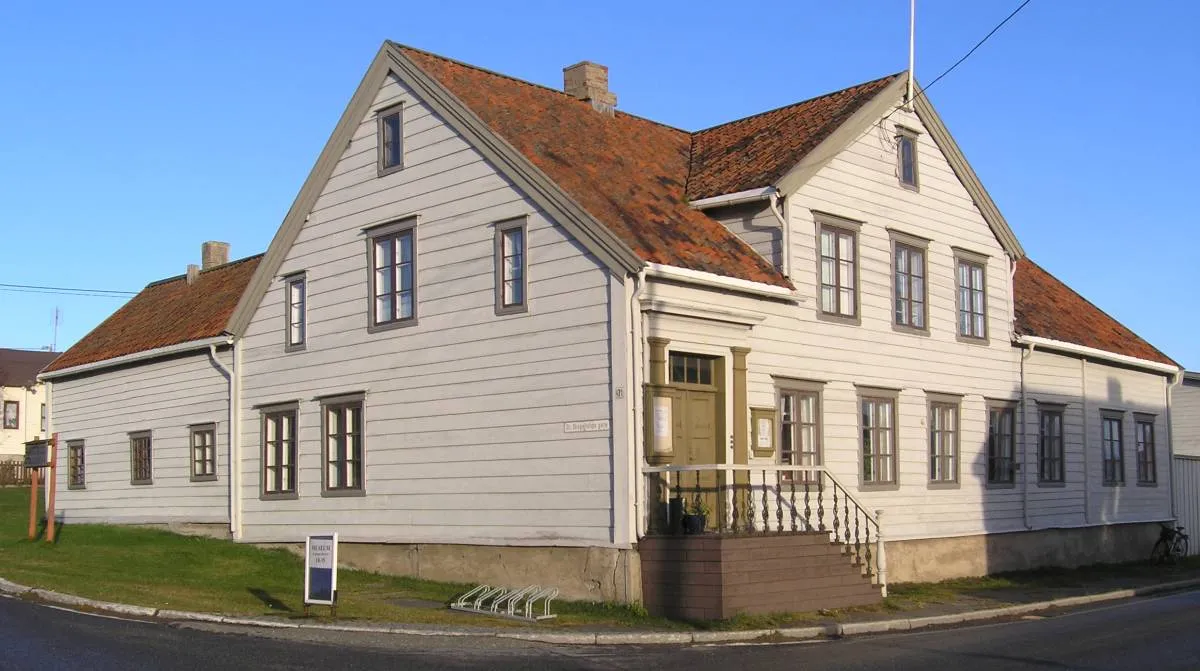
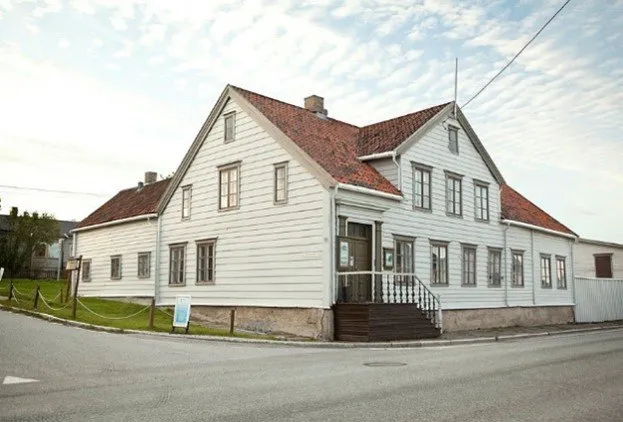
Esbensengården was built in 1848–49 by the merchant Rasmus Galberg Esbensen (1827–1914) and his wife Mathilde Henriette Brammer (1826–1896), in a part of town that was growing fast because of the large wave of Kven immigration.
The farmhouse is built in a style common among merchants and officials along the Norwegian coast in the mid-1800s — a log house of Siberian larch, known as «russetømmer» (Russian timber), which was widely used in Vadsø at the time. The property included a quay with four warehouses and a shop on the south side, a reindeer paddock west of the house, and a garden with a summerhouse to the north.
Rasmus Esbensen traded in fish and groceries and was active in the Pomor trade — he sold salted fish and bought flour and other goods from Russian Pomor skippers. His son Hans Fredrik Esbensen (1855–1930) took over the house and the business, and concentrated more on the grocery trade. Around 1870 the main house was extended, and an outbuilding with a stable, cowshed, farmhands’ quarters and a carriage shed was added.
Walk one street further up and you come to Tuomainengården — a farm that the people of Vadsø still make active use of today.
Part of Vadsø museum
Esbensengården is run by Vadsø museum – Ruija kvenmuseum, together with Tuomainengården in the same part of town. The museum’s combined ticket for its sites in Vadsø is valid here.
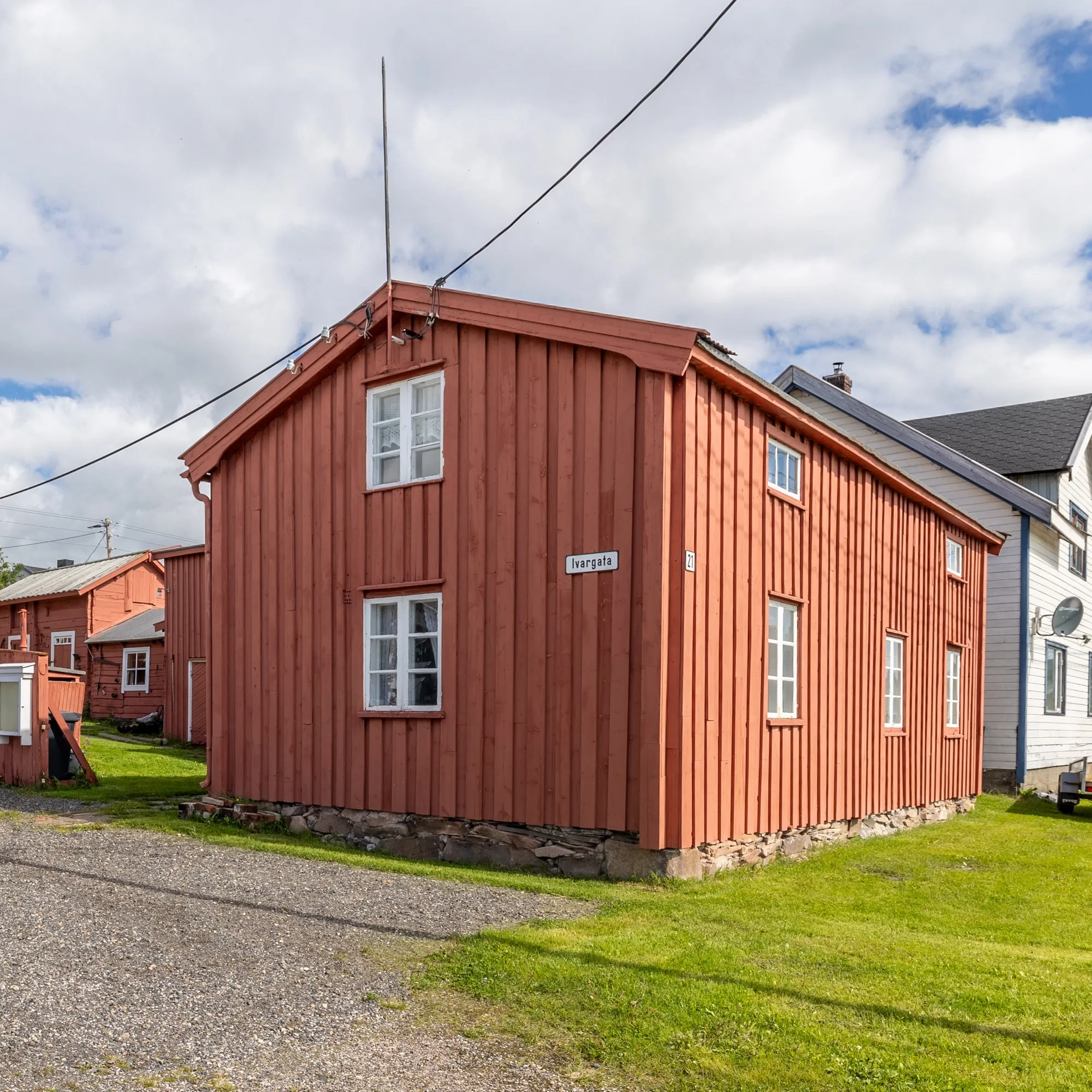
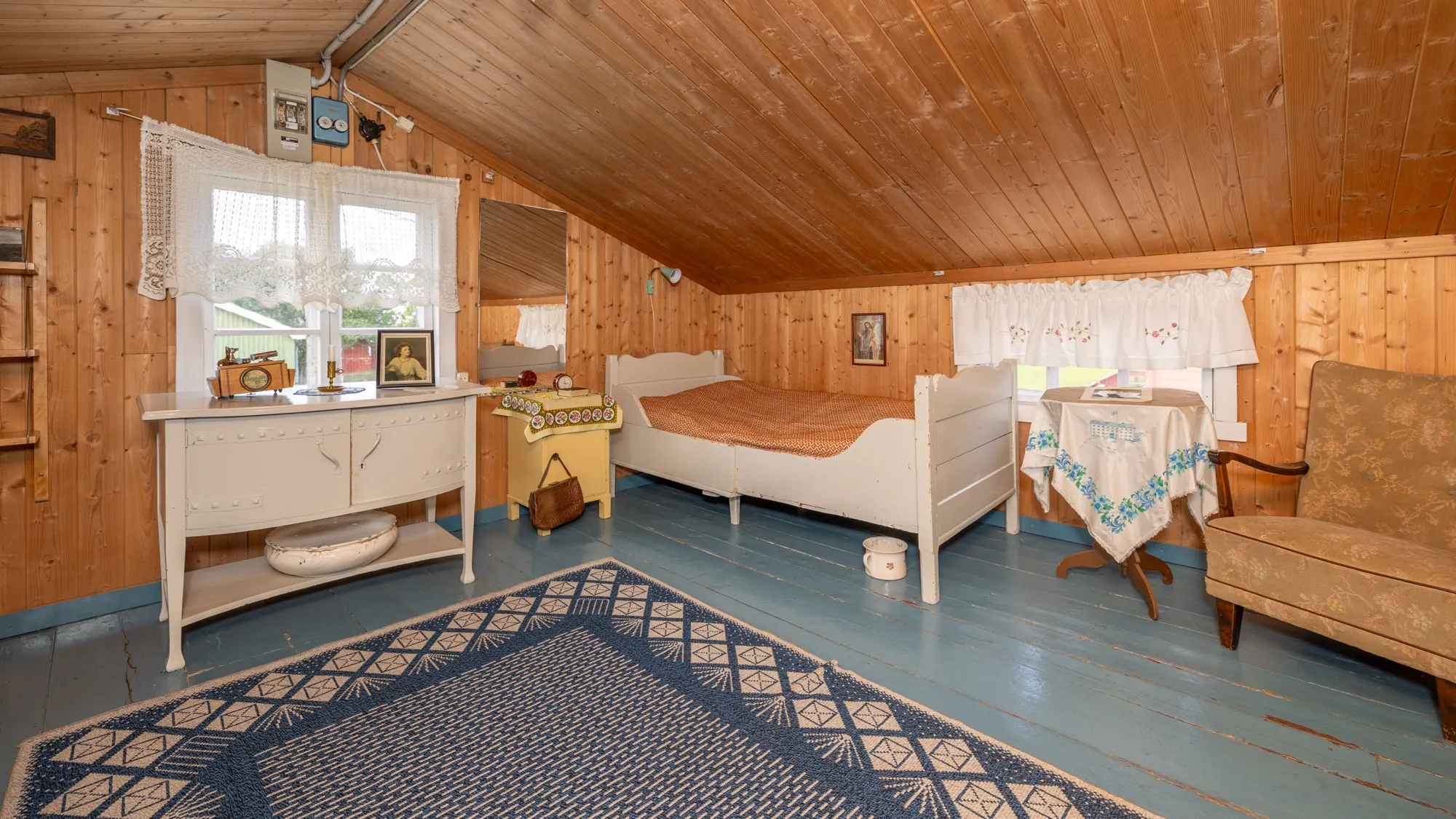
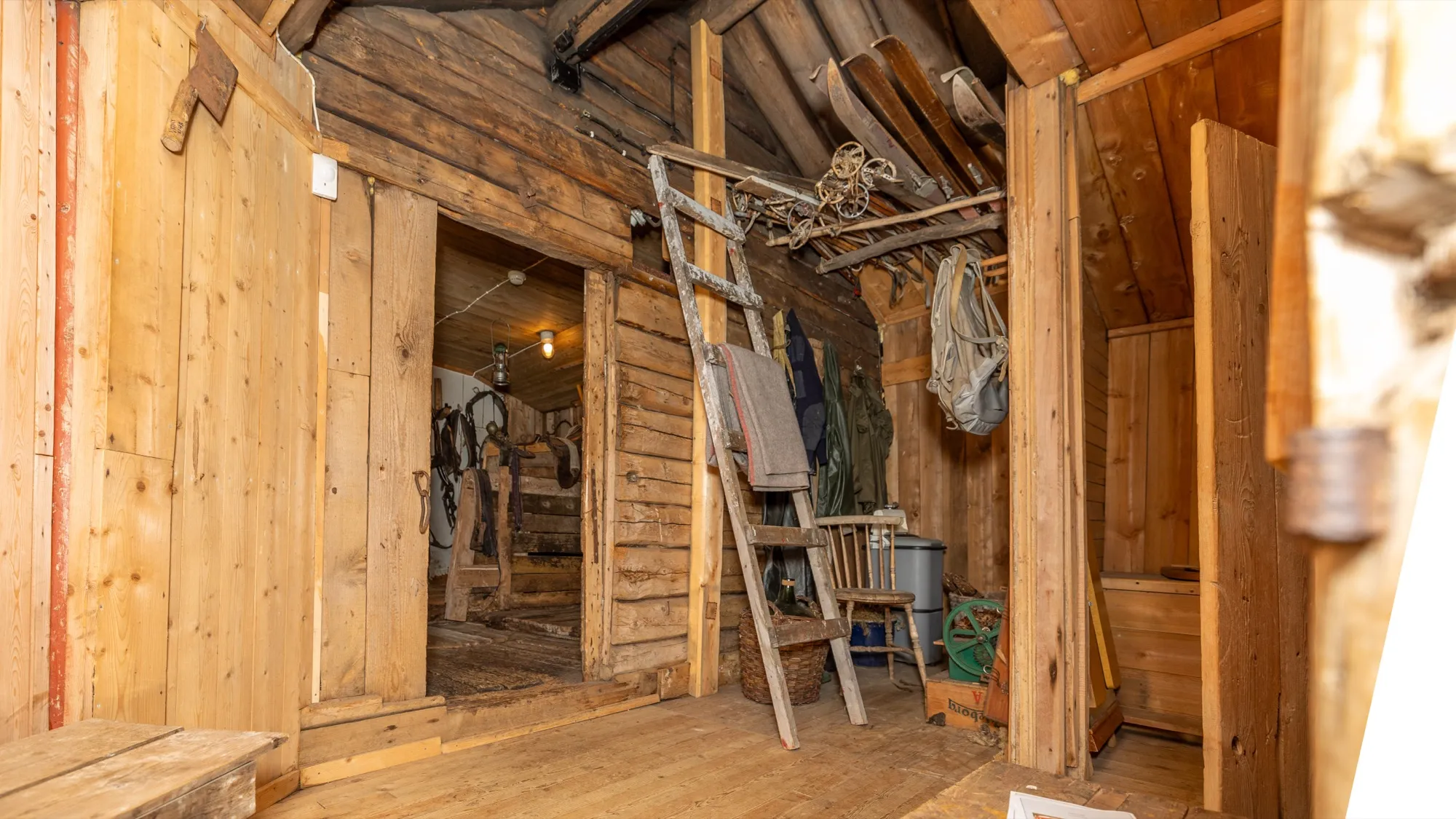
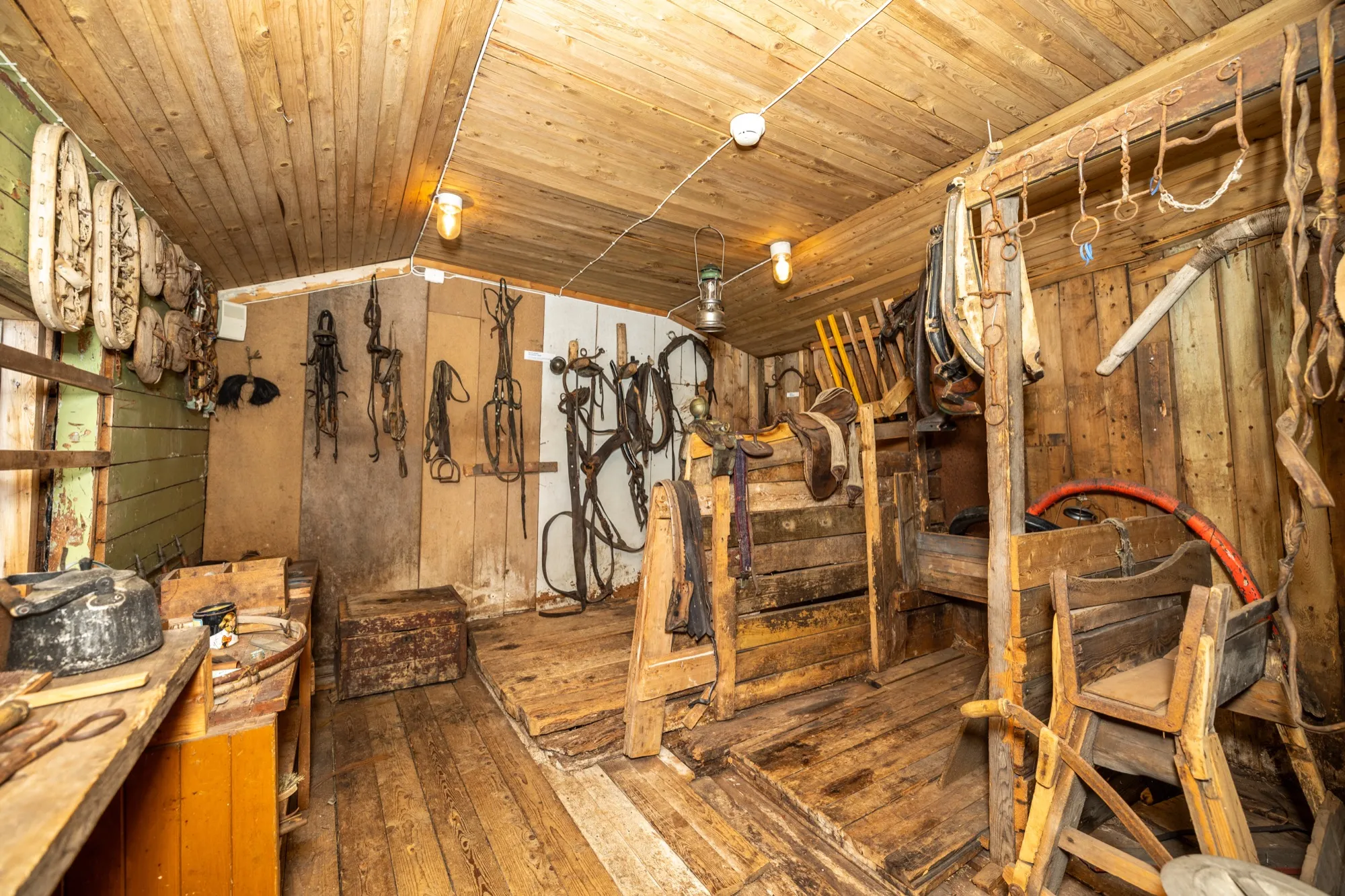 TuomainengårdenKven farming in VadsøSlettengata 21, VadsøListen to the story of Tuomainengården
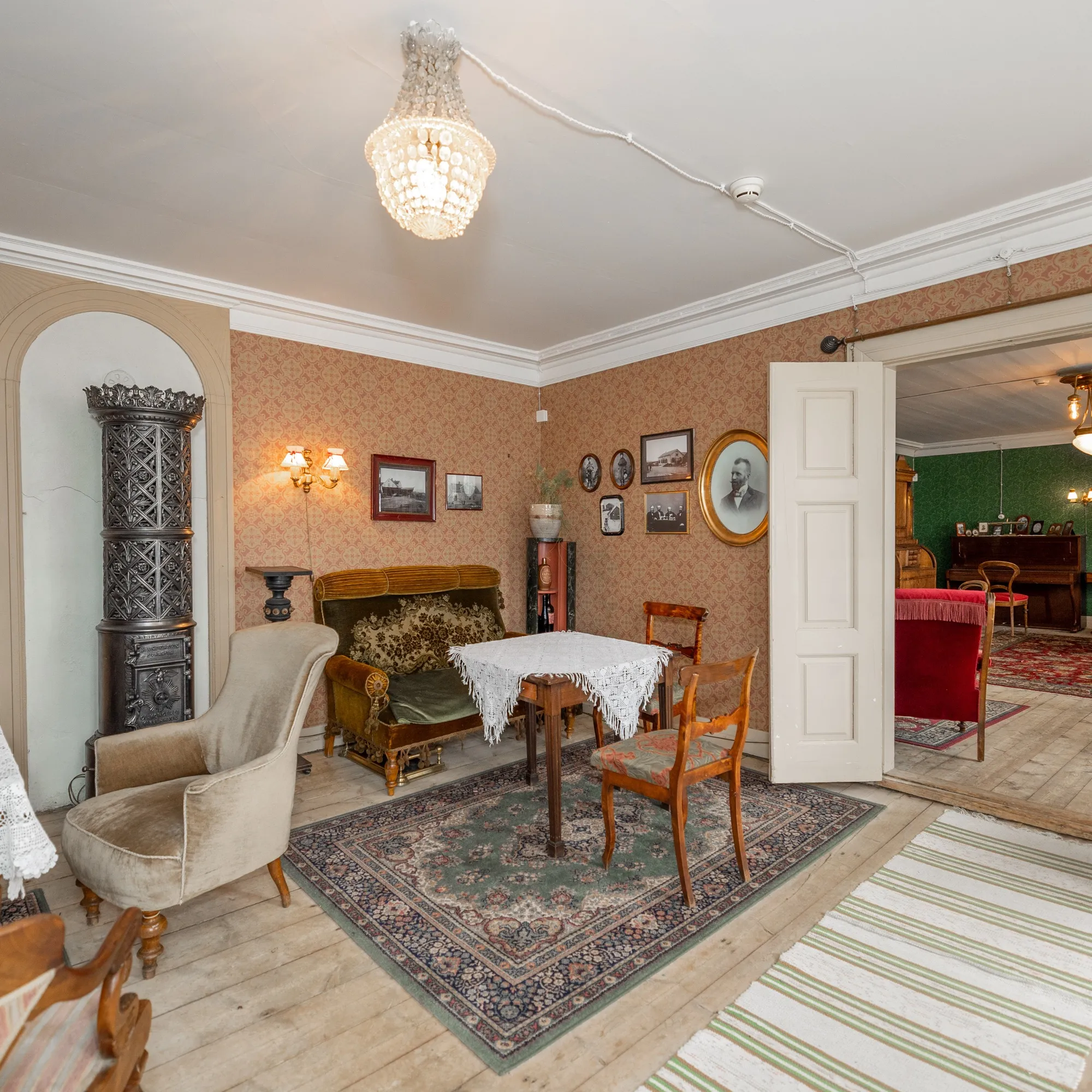
You are now at Tuomainengården. The farm was originally called Vinikkagården, after Johan Petter Vinikka, who built the house in 1851. He emigrated from the Torne Valley in Sweden in 1845 and settled in Ytre kvenby (the Outer Kven Town) — one of three areas of old Vadsø where Kvens and Norwegians lived apart, along with Indre kvenby (the Inner Kven Town) and Nordmannsbyen (the Norwegian Town).
Before the turn of the century, Vinikka mortgaged the farm to the merchant H.F. Esbensen, who let out rooms there to the town’s many new immigrants. In 1918 Karoline and Karl Tuomainen bought the house. The family fished and kept a smallholding — sheep, cows, an ox and a horse — right up until the farm was left to the municipality in the 1980s.
For the newly arrived Kvens, the horse had traditionally been an important working animal on the farm. It became one in Varanger too. In the stable you can still see old harness and tack, much of it made on the farm.
The house is built as a Varanger house: a type of building that joins the living quarters and the cowshed under one roof, with an inner central passage — typical of Varanger and influenced by building traditions from the White Sea and Karelia.
The farm’s sauna mattered to the whole immigrant community in Ytrebyen. Until 1932 it was one of the town’s public saunas, where neighbours met to bathe together every week.
Part of Vadsø museum
Tuomainengården is run by Vadsø museum – Ruija kvenmuseum, together with Esbensengården close by. The museum’s combined ticket for its sites in Vadsø is valid here.
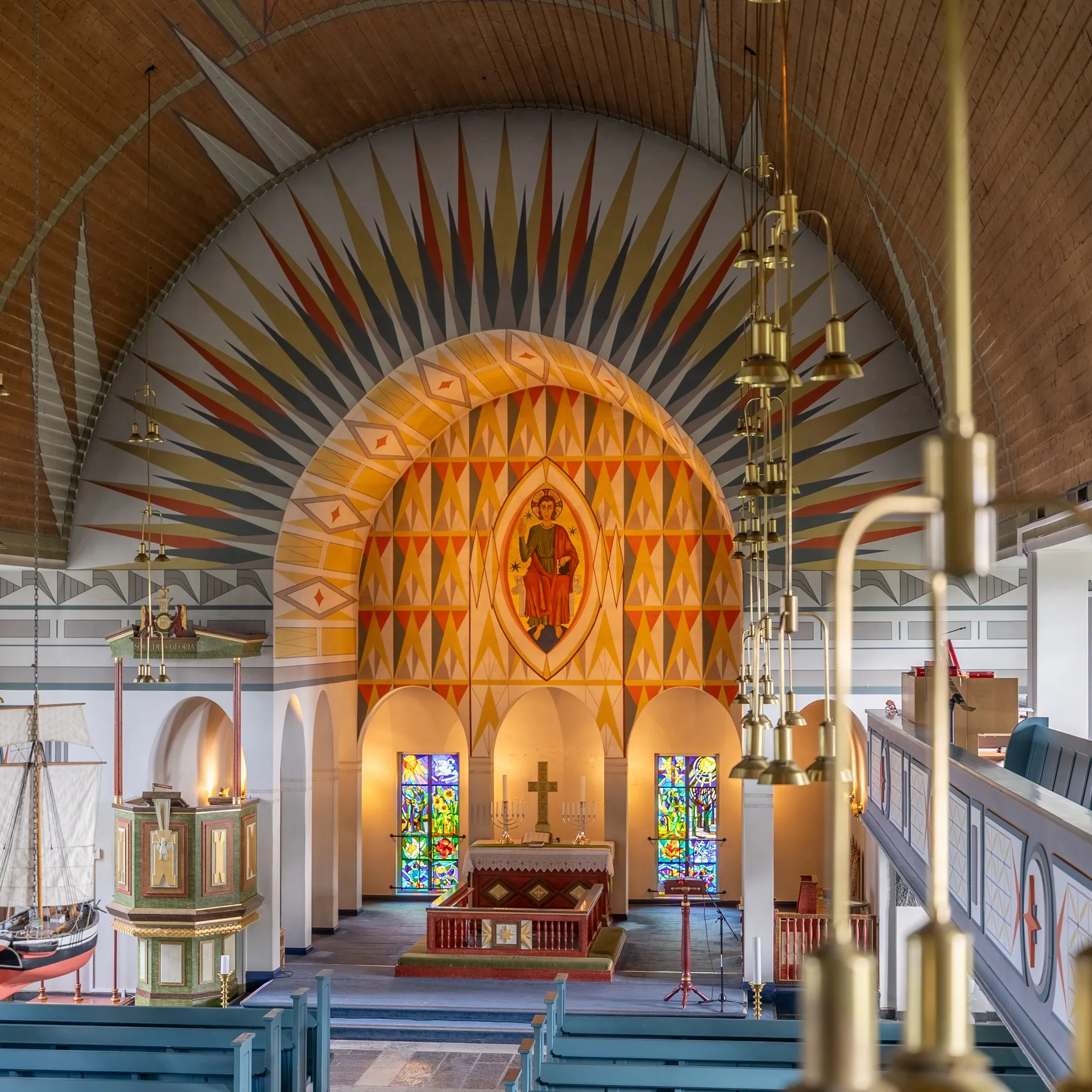
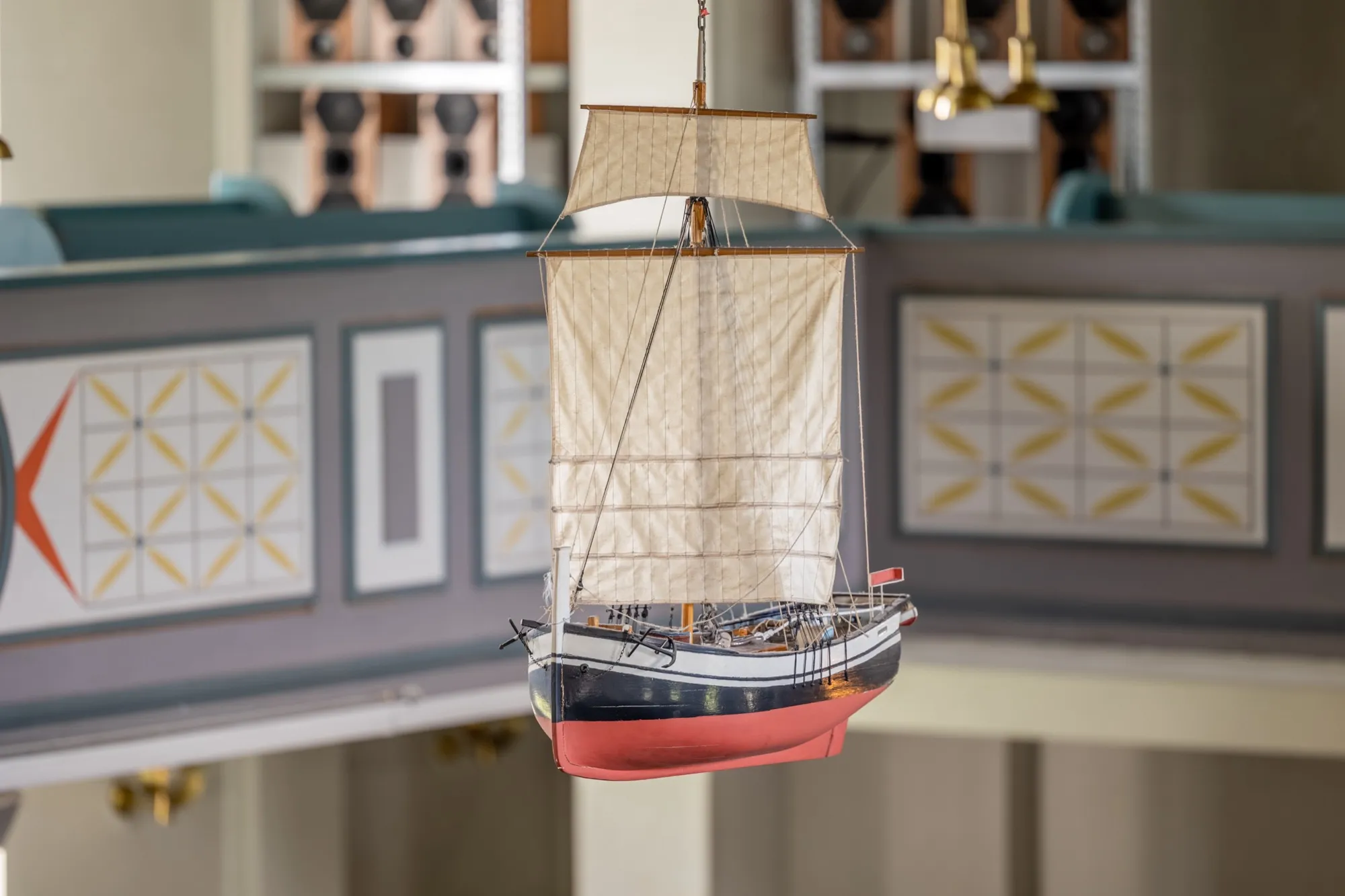
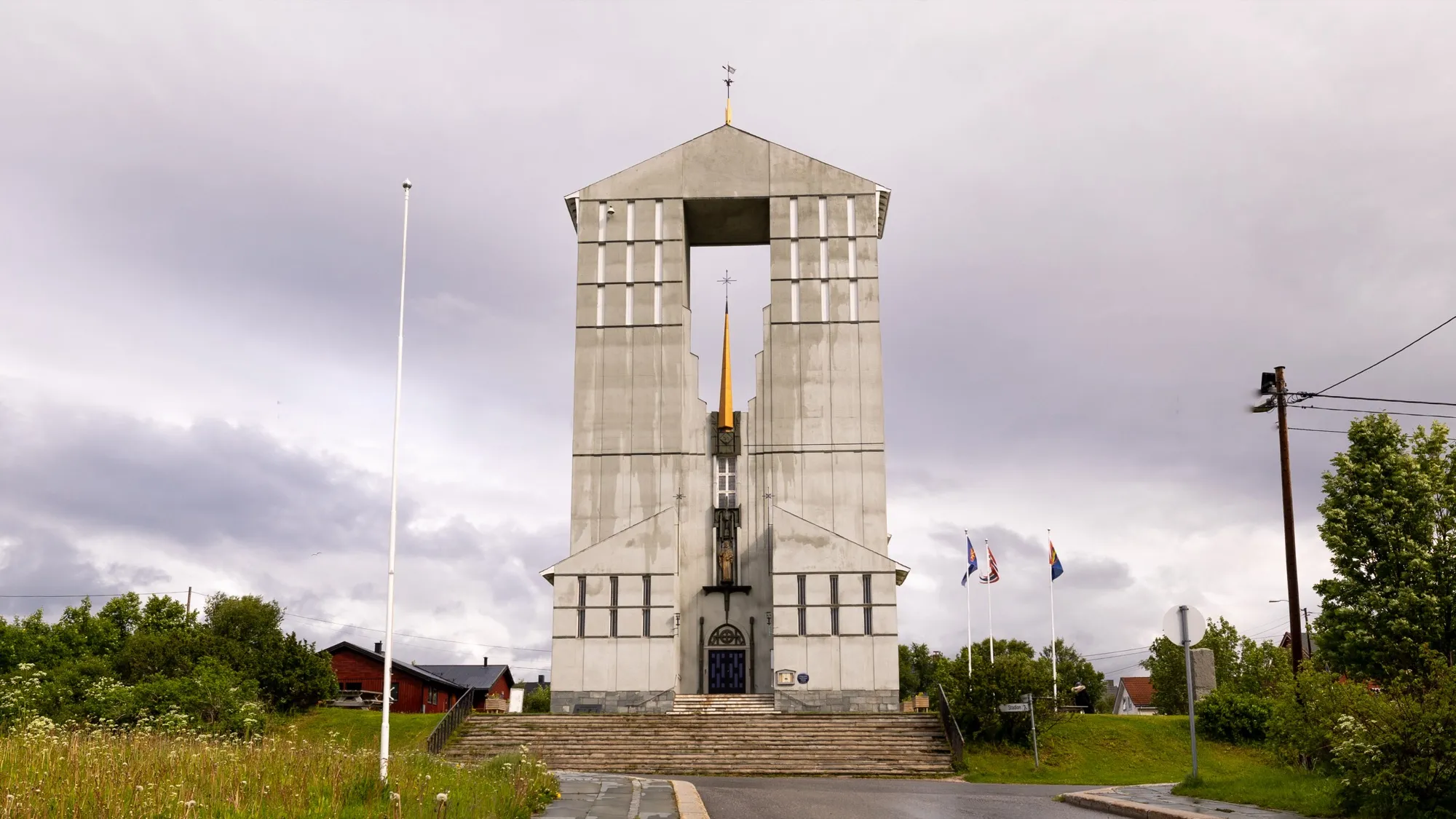
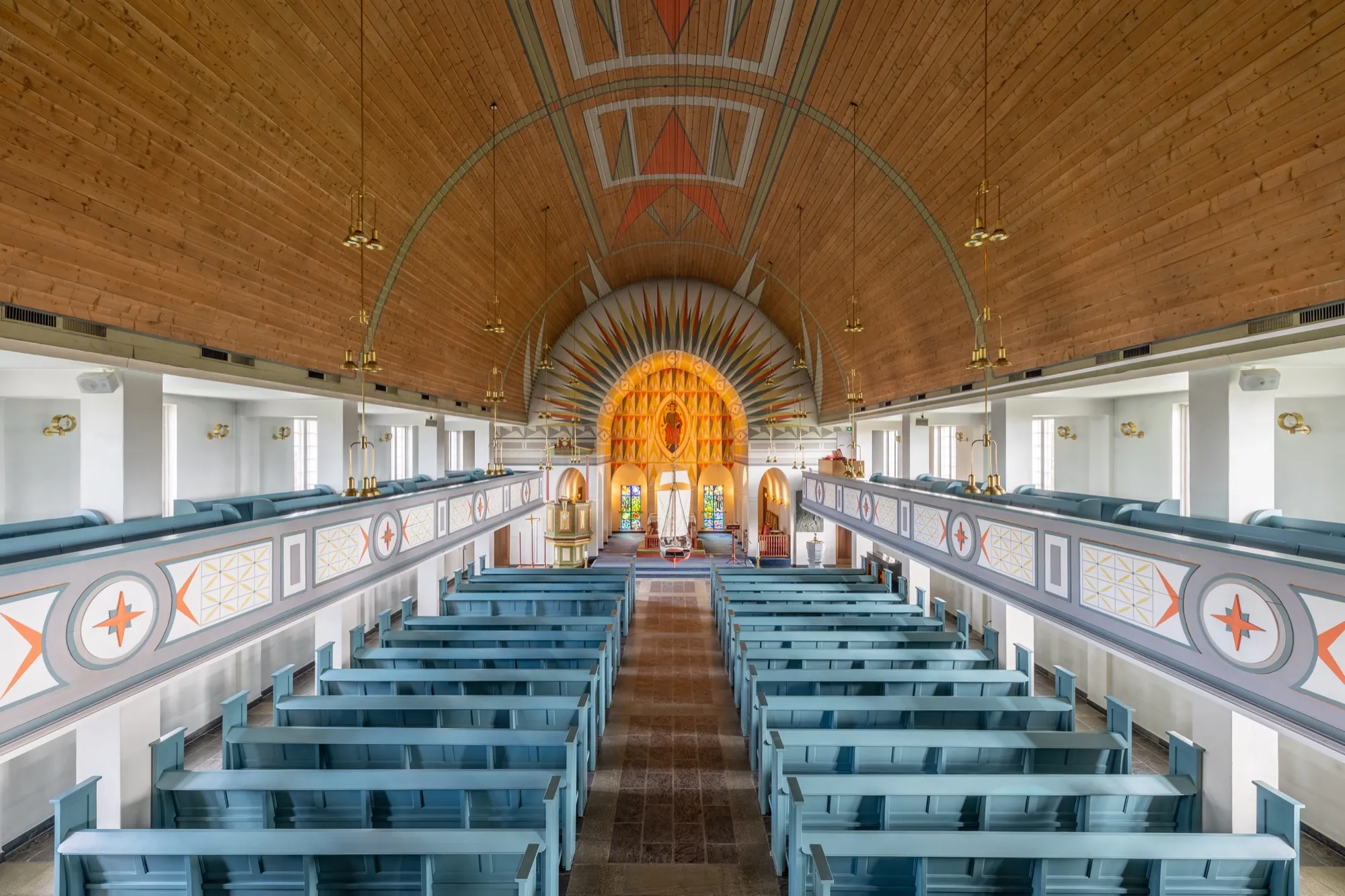 Vadsø ChurchThe Arctic Ocean Church, consecrated in 1958Galgebakken, VadsøListen to the story of Vadsø Church
The church in front of you is the fourth to be built in Vadsø. The previous church, a wooden church from 1861, was bombed on the night of 28–29 October 1944.
The new church was designed by the architect Magnus Poulsson and consecrated in 1958. Poulsson himself called it Ishavskirken — the Arctic Ocean Church — because the door sits between two tall, pointed towers that look like great icebergs. The church’s decoration is the work of Grete Thiis Schjetne.
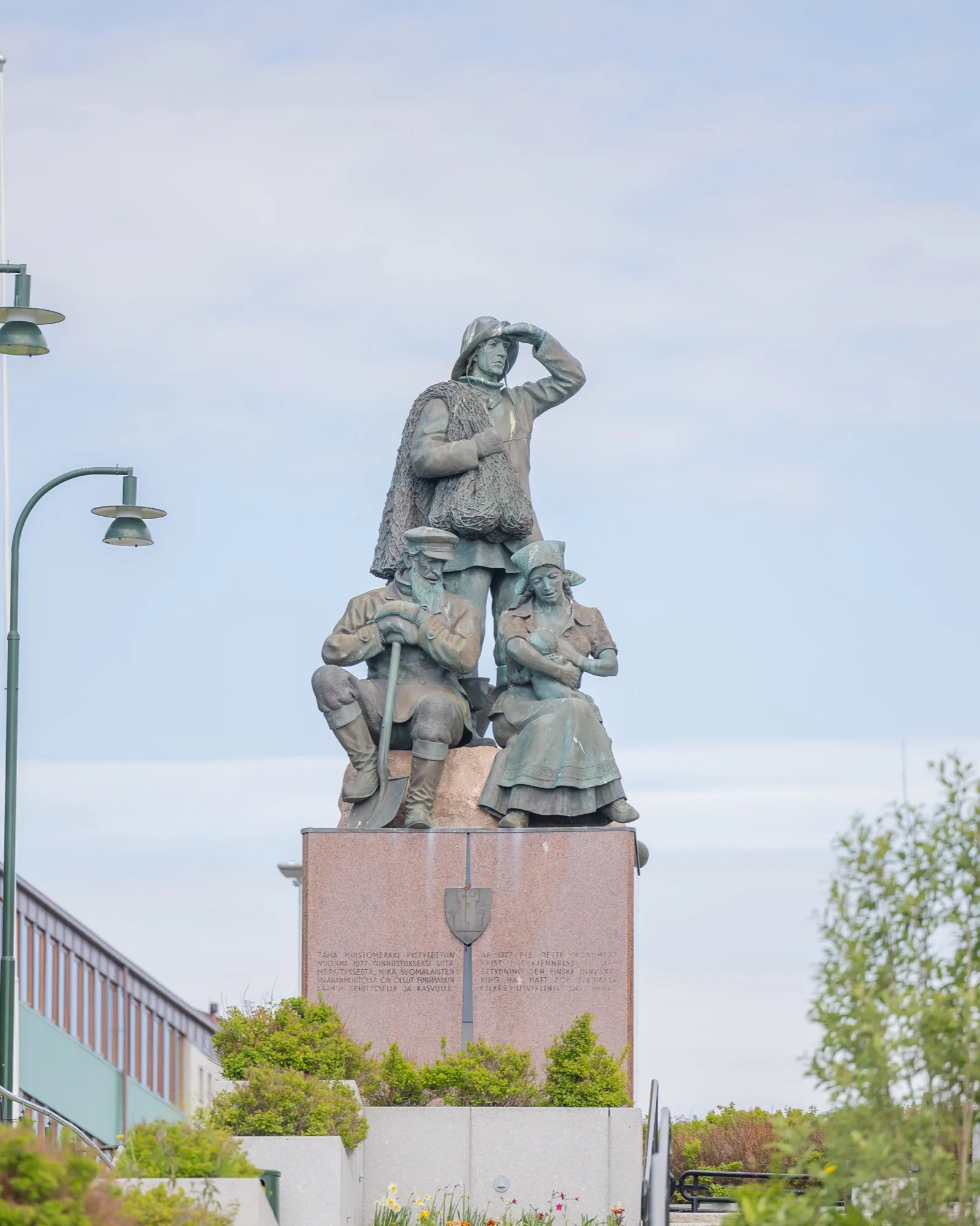
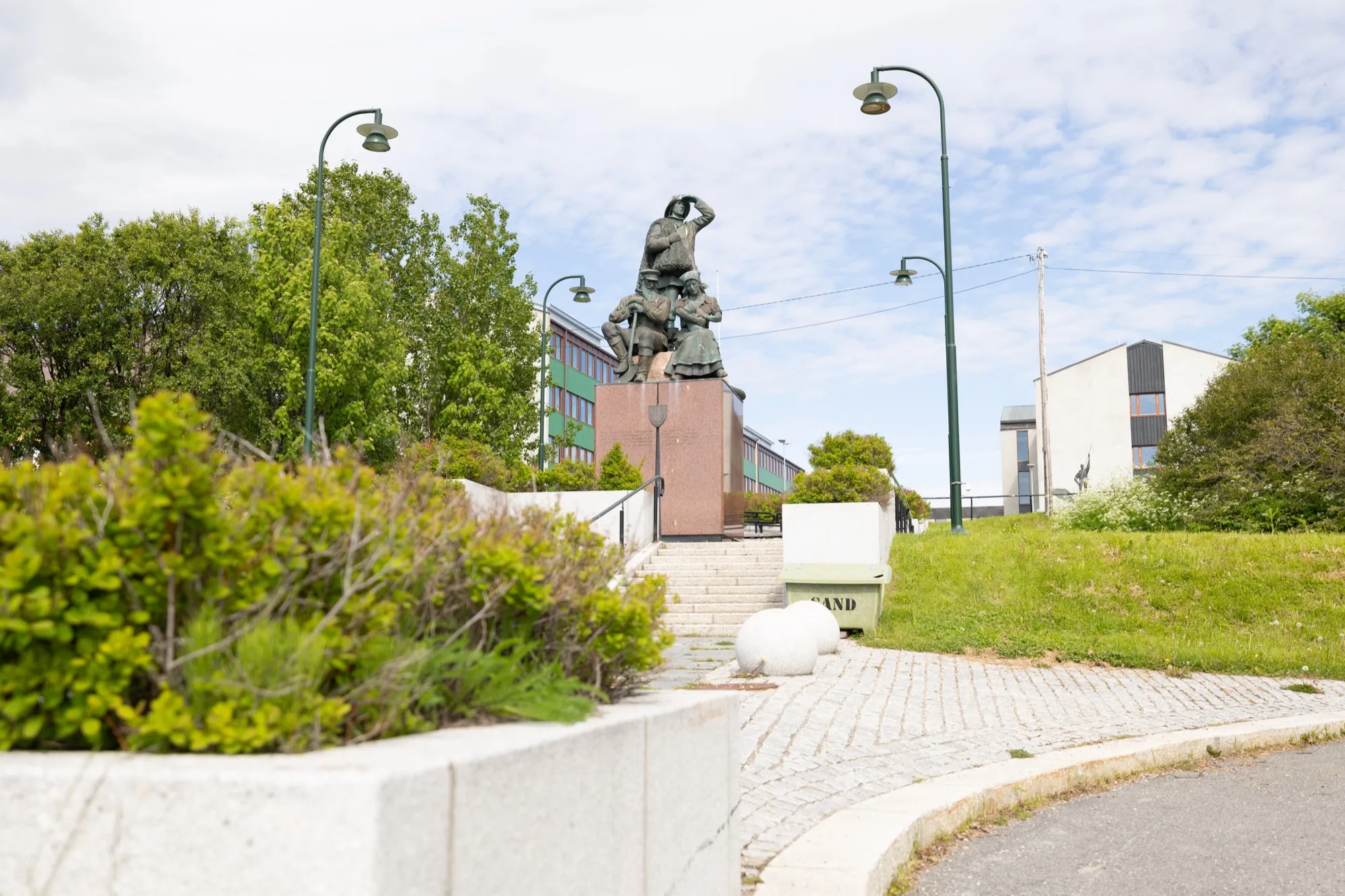
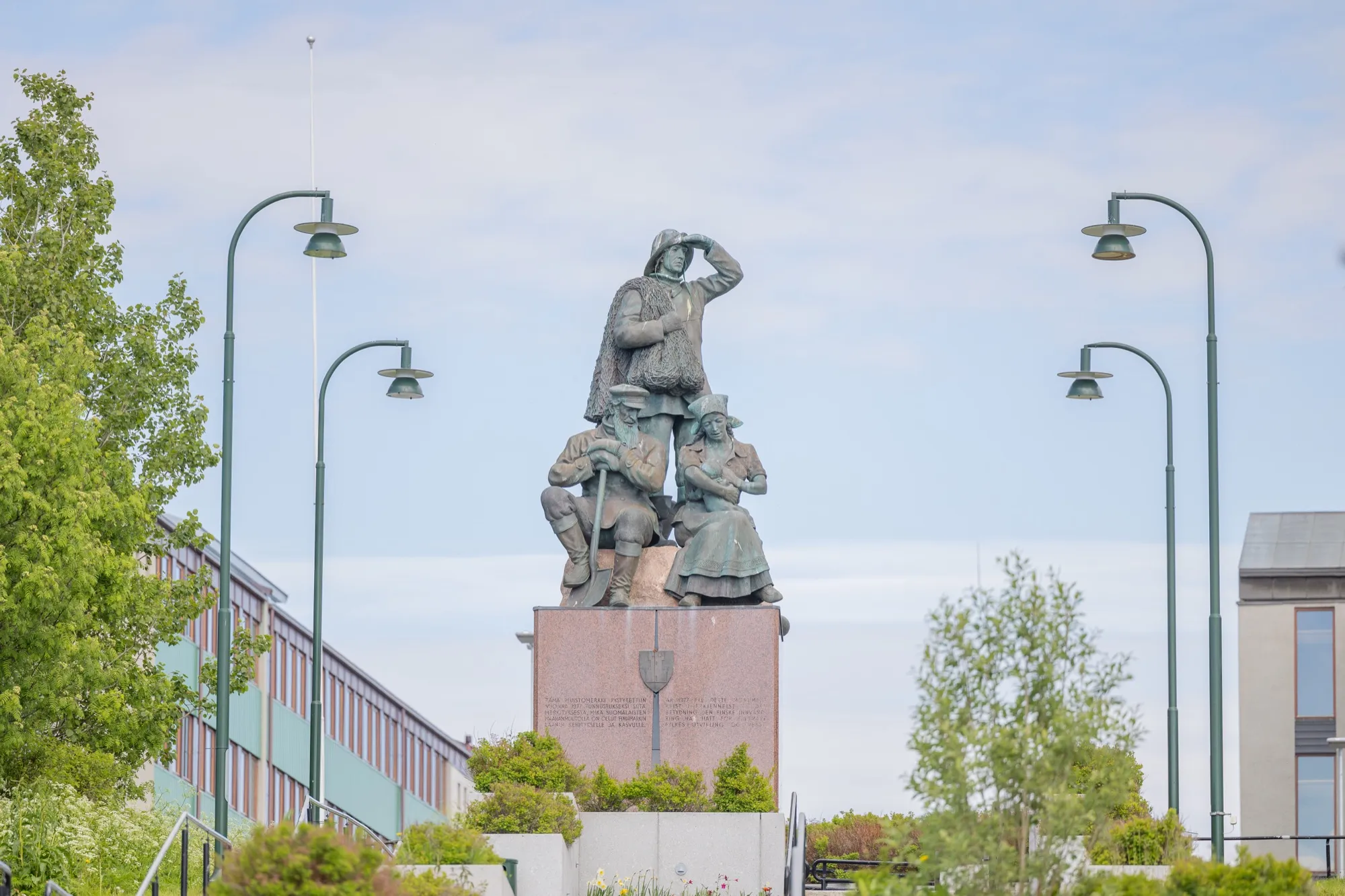
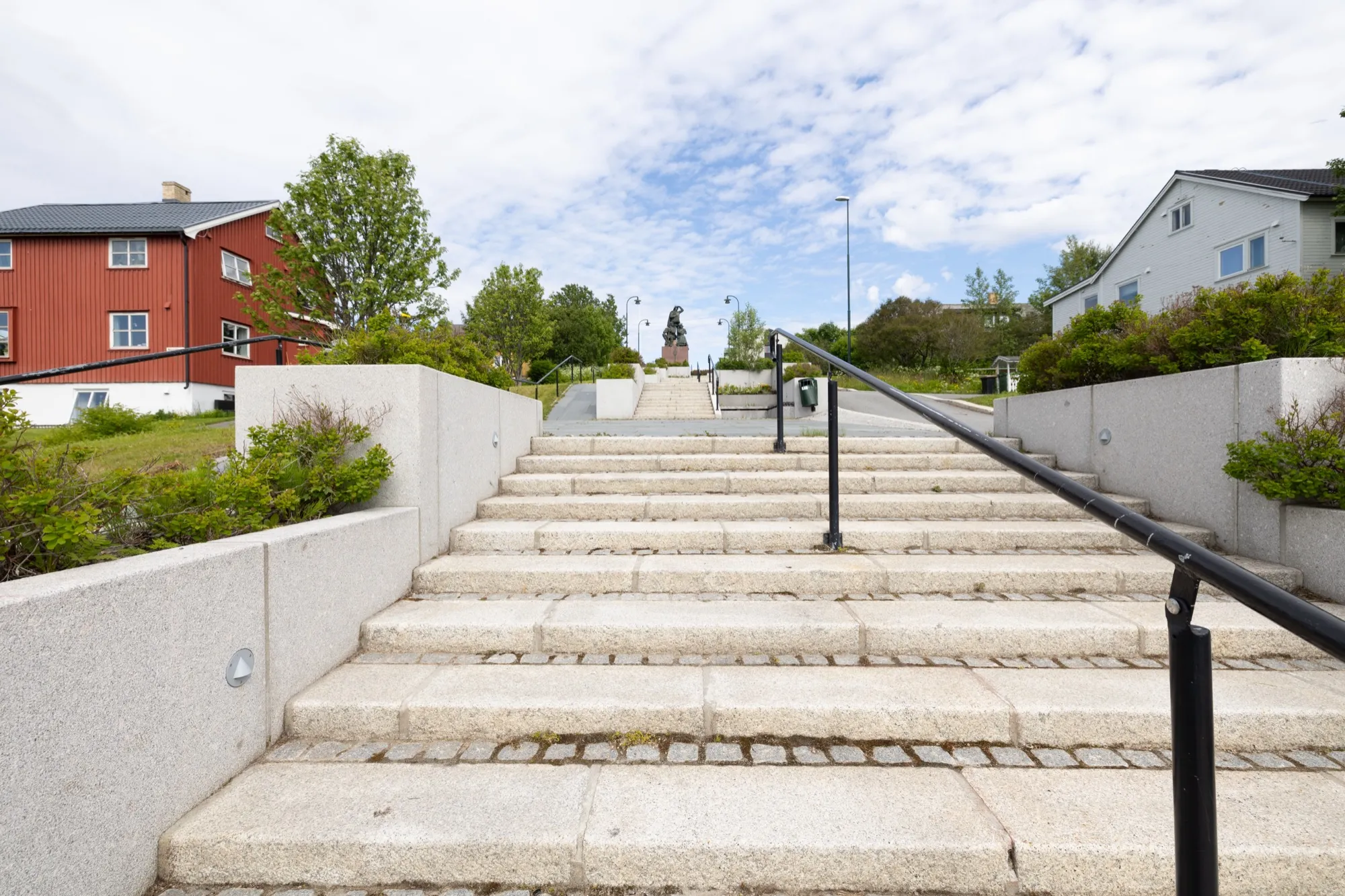 The Immigrant MonumentUnveiled by King Olav in 1977Vadsø town centreListen to the story of The Immigrant Monument
The monument was unveiled by King Olav in 1977. King Carl Gustaf of Sweden and President Urho Kekkonen of Finland were also present.
The memorial made the Kven people visible as a distinct group, and recognised their importance in history.
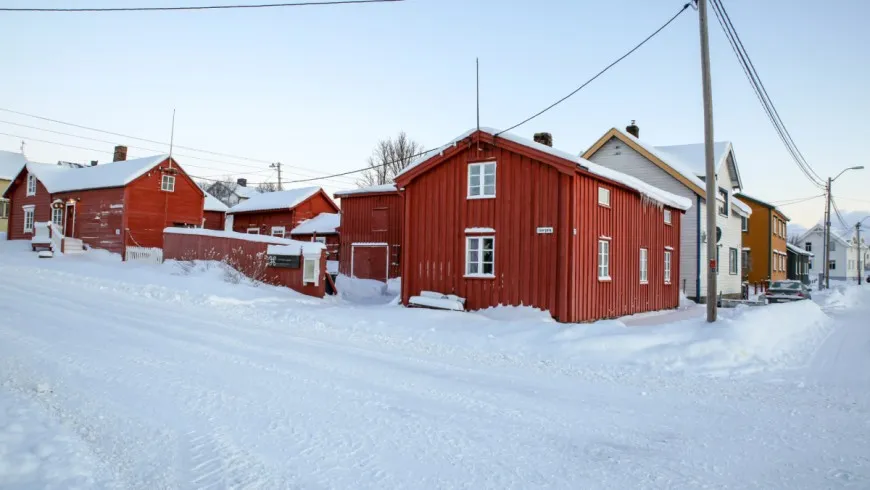
 BietilægårdenA 19th-century Kven farm with its own quayHavnegata 83, VadsøListen to the story of Bietilægården
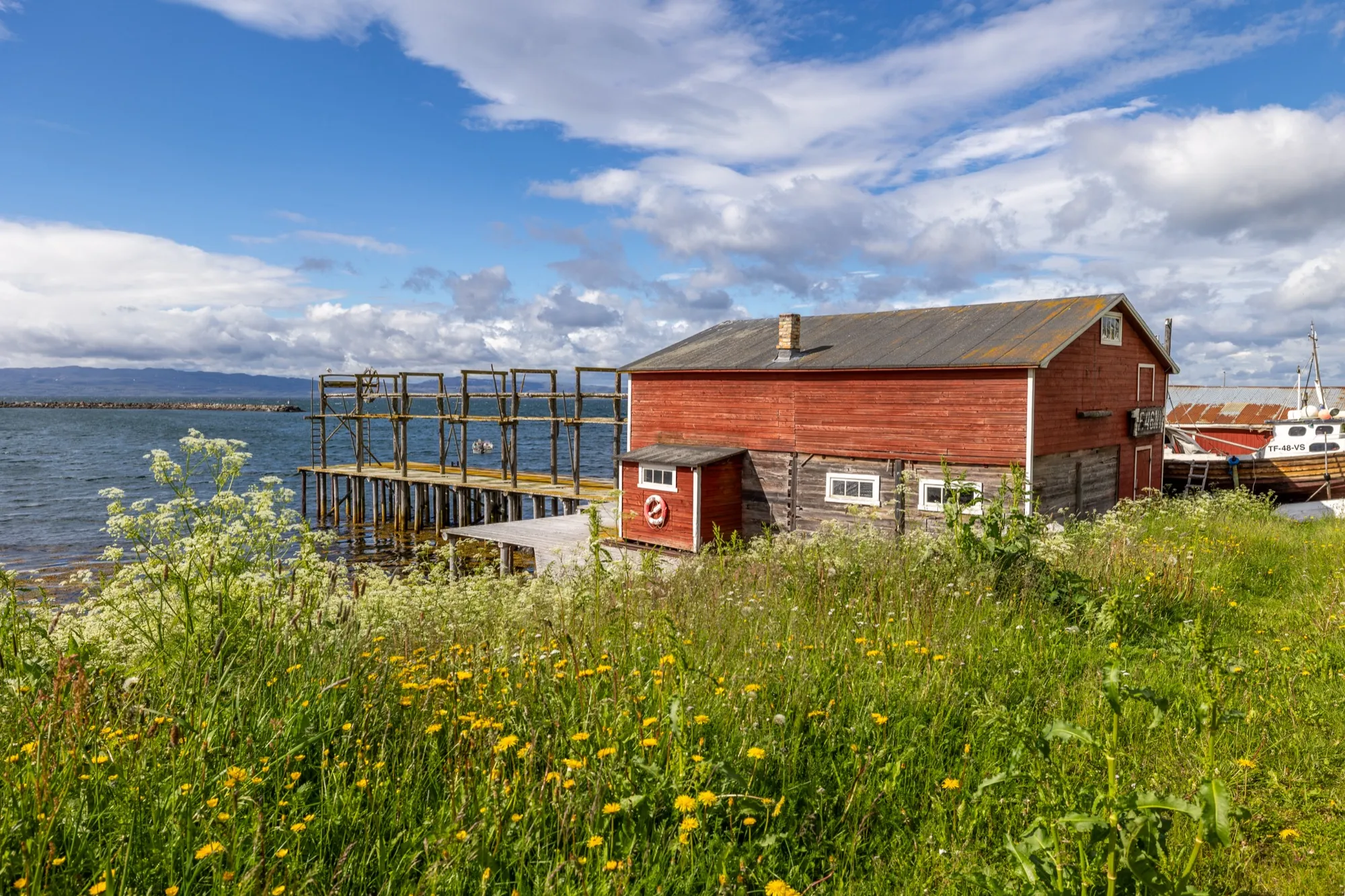
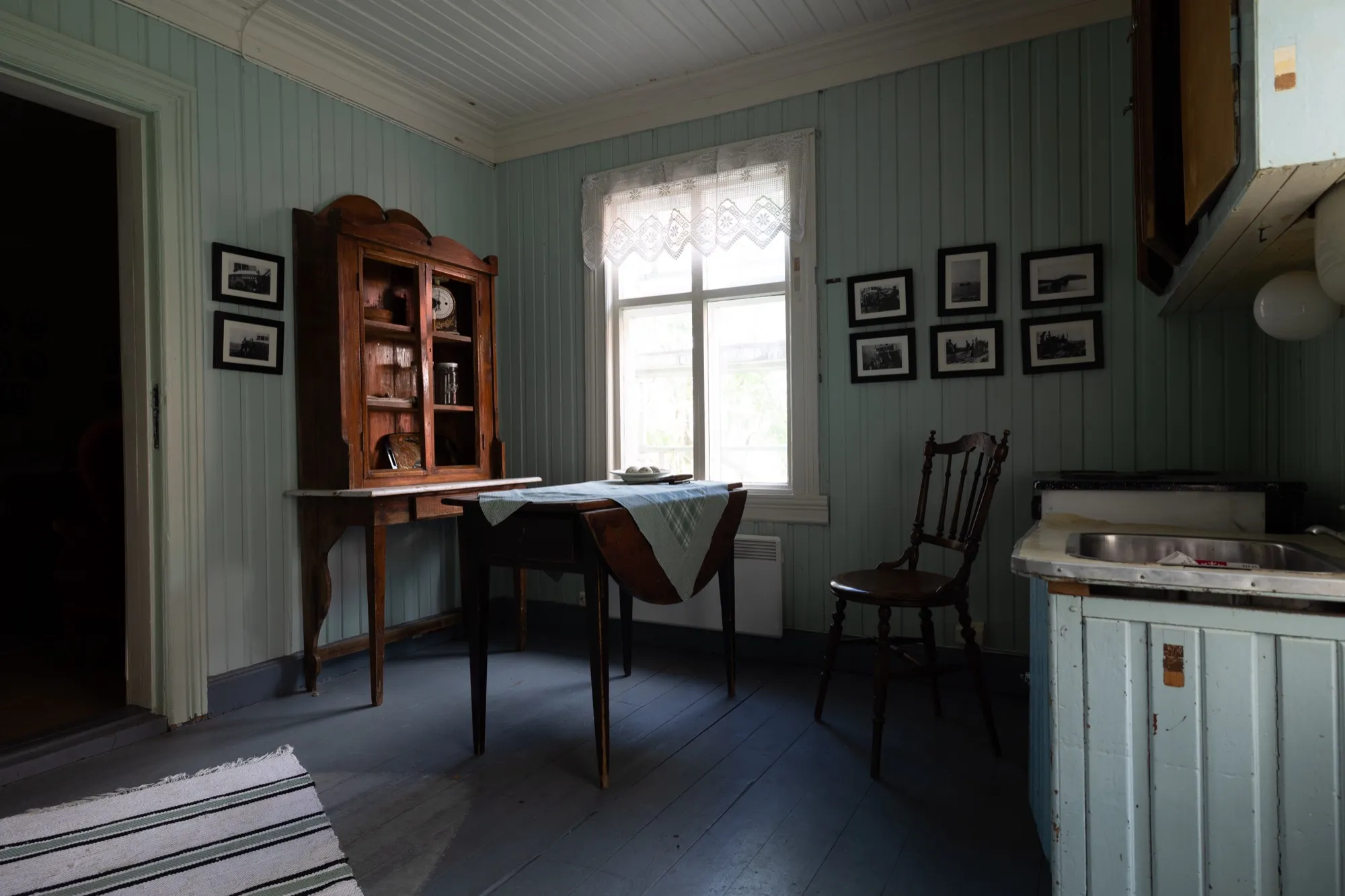
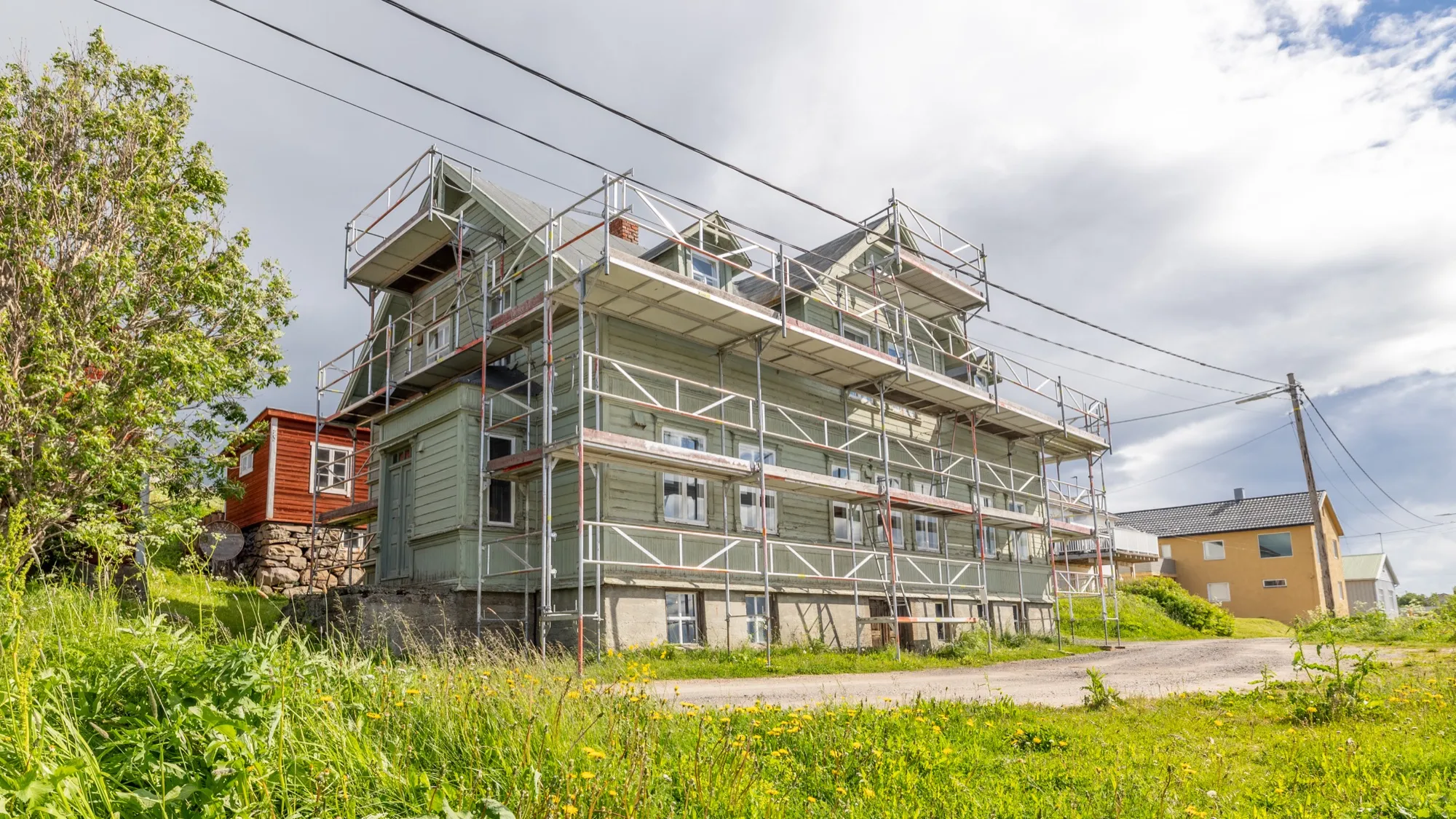
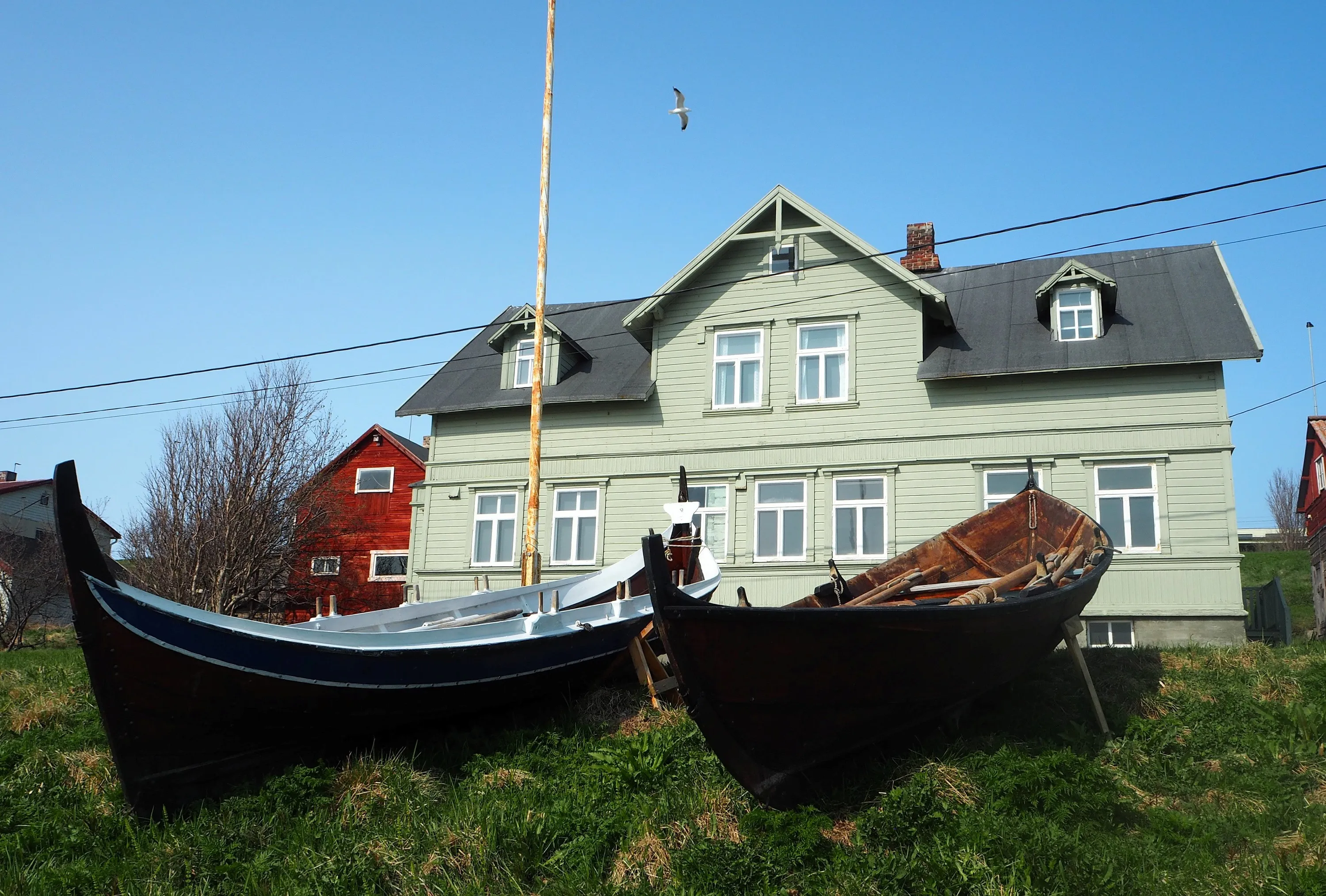
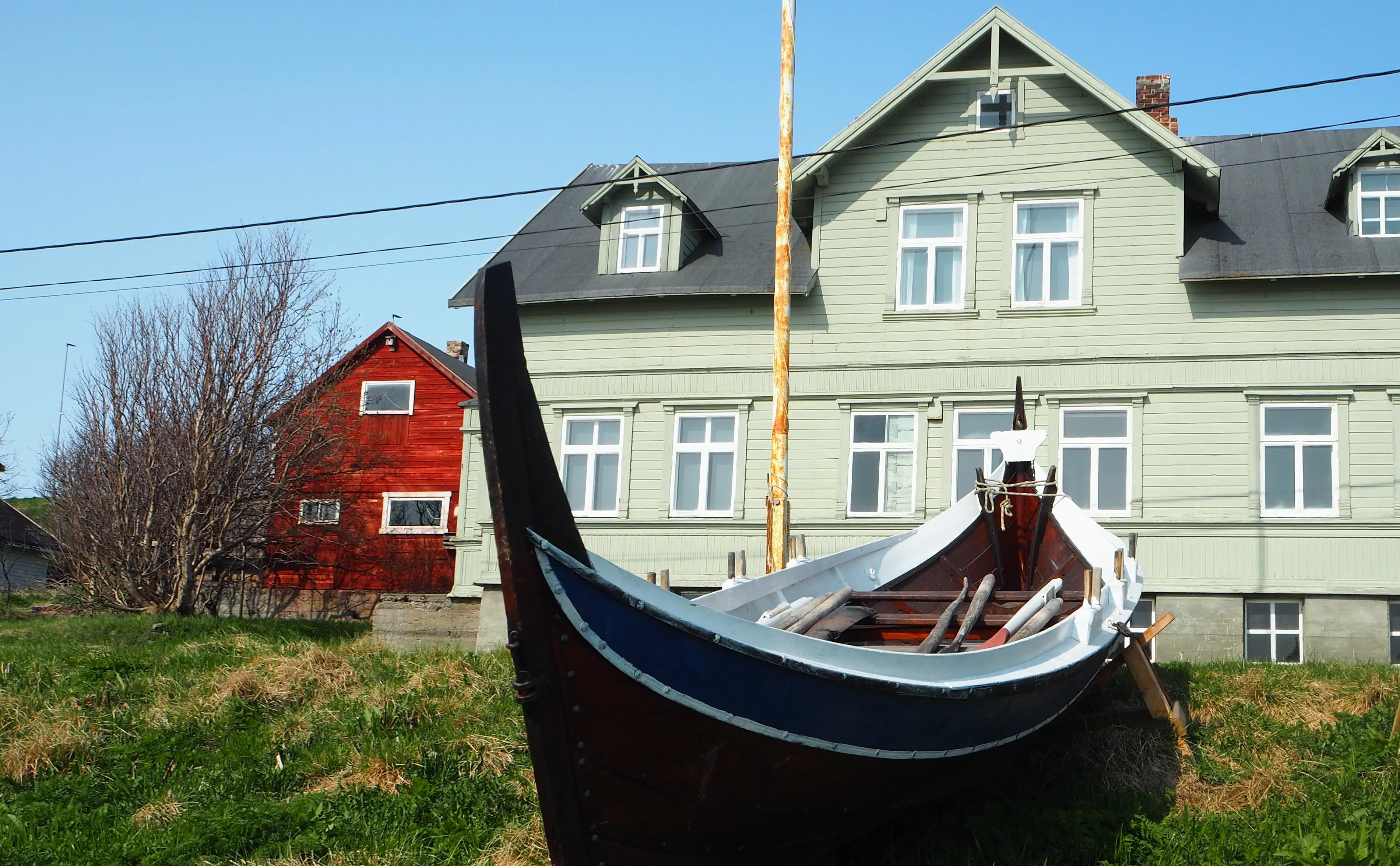
Bietilægården is a farm from around 1870, with traditions from coastal culture and farming. It was built by Kven immigrants and is made up of a dwelling house, three cowsheds, a quay and a slipway for hauling up boats.
The farm stands in Havnegata in Indrebyen — formerly known as Indre kvenby (the Inner Kven Town), one of three areas of old Vadsø where Kvens and Norwegians lived apart, along with Ytre kvenby and Nordmannsbyen. The first people to live in the house came from Kemi in Finland, but since then several families have lived there at the same time. These families made their living from fishing, farming and carrying goods by boat.
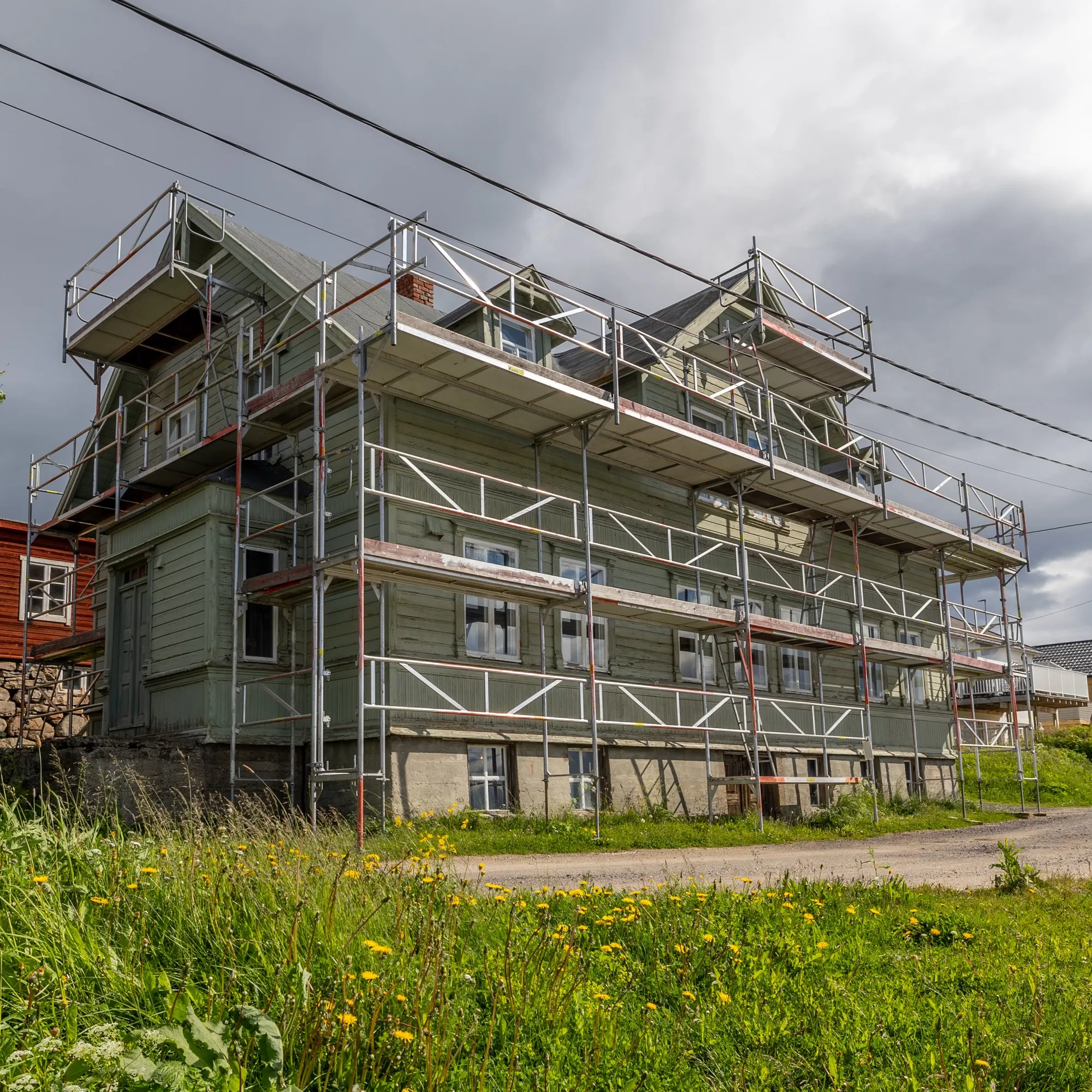
The farm is typical of the architecture that shaped Vadsø before the Second World War. It was listed in 1990 and, after standing empty for many years, it was eventually restored with funding from the Directorate for Cultural Heritage (Riksantikvaren), led by Finnmark County Council.
Vadsø museum uses the farm for its summer activity days for children and families: rowing traditional Nordland boats from the floating pier by the breakwater, log building with the museum’s own log-building kit, and a treasure hunt around the farm. The days are free and there is no need to sign up.
You have now completed the whole walk. We hope you have learnt a lot about the history of Vadsø, and that you will carry on exploring our lovely town.
Part of Vadsø museum
Bietilægården is run by Vadsø museum – Ruija kvenmuseum. Follow the museum’s own channels for the dates of this year’s activity days.
The walk was created by Vadsø Business Association. The stops are within walking distance of each other, and you can take them in any order you like — but the walk is written to be followed from Vadsøya in towards Indrebyen.